
Tuberculosis (TB) is a serious infectious disease and one of the world's leading infectious killers. Although TB is preventable and curable, millions of people fall ill every year. Understanding TB symptoms, how the disease spreads, and the treatments available is essential to ending its impact.
Doctors Without Borders (MSF) works with communities affected by TB around the world, supporting earlier diagnosis, improving access to treatment and helping develop shorter, safer treatment options.
What is tuberculosis (TB)?
Tuberculosis TB is a bacterial disease caused by Mycobacterium tuberculosis. It most commonly affects the lungs and can spread through the air when a person with infectious TB coughs or sneezes. However, TB can also affect other parts of the body, including the bones and nervous system. TB is preventable and curable with appropriate treatment
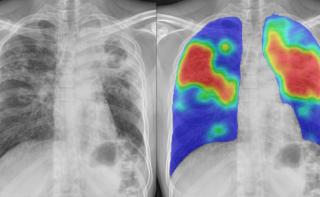
Why is TB still one of the world's deadliest infectious diseases?
TB kills more people yearly than any other disease in the world. In 2024, an estimated 10.7 million people fell ill with TB, and 1.23 million died from the disease. The disease is hard to diagnose and hard to treat, which means that people can be spreading the disease for a long time without knowing it. In addition, some people may not feel ill and might not show any symptoms of the disease, yet they’re still infecting people around them.
Despite progress, TB persists due to structural barriers like underfunded health systems, gaps in diagnosis and treatment access, and social determinants including poverty, malnutrition, and HIV. Children are disproportionately affected; in 2024, over 1.2 million children contracted TB, and many missed diagnosis and treatment.
How is TB spread?
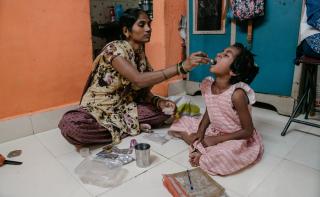
TB is mainly spread through the air from person to person. When someone with infectious pulmonary or laryngeal TB coughs, speaks or sneezes, they release tiny infectious droplets into the air. TB can be transmitted when another person inhales these droplets. The risk of transmission is higher during close and prolonged contact, particularly in poorly ventilated indoor spaces. People with latent TB infection are not infectious.
The difference between latent and active TB
Latent TB infection
- TB bacteria are present in the body
- No symptoms
- Not infectious
- May develop into active TB
Active TB disease
- The bacteria are multiplying
- Symptoms may develop
- Can spread to others when pulmonary TB is infectious
- Requires treatment
Because early symptoms overlap with other conditions, people often delay seeking care, delaying diagnosis and increasing the risk of transmission.
What are the symptoms of TB?
Common symptoms of active TB include:
- Persistent cough
- Coughing up blood
- Chest pain
- Fever
- Night sweats
- Unintended weight loss
- Fatigue
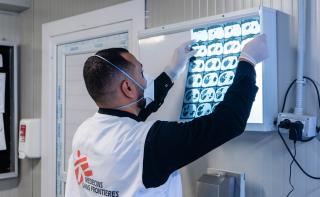
How TB is diagnosed?
TB is treated with a combination of antibiotics, with the type and length of treatment depending on whether the disease is drug-sensitive or drug-resistant. Uncomplicated, drug-sensitive TB is curable, and treatment generally takes at least six months. MSF's medical guidelines describe standard treatment for pulmonary TB as a combination of four medicines: isoniazid, rifampicin, pyrazinamide and ethambutol, given in different phases over the course of treatment.
Drug-resistant TB (DR- TB) requires different combinations of medicines and can be more complex to treat. MSF has helped advance shorter, all-oral treatment options for some forms of multidrug-resistant TB (MDR-TB) . Its TB-PRACTECAL trial found that the six-month regimen known as BPaLM combining bedaquiline, pretomanid, linezolid and moxifloxacin, was safer and more effective than longer conventional treatments for eligible patients with MDR/RR-TB. Completing the full course of treatment is essential, even when a person starts to feel better.
How is TB treated?
Treatment for drug-sensitive TB
Drug-sensitive tuberculosis (TB) is treated with a combination of antibiotics. The standard treatment for pulmonary TB uses isoniazid, rifampicin, pyrazinamide and ethambutol for two months, followed by four months of isoniazid and rifampicin. Treatment usually lasts six months, although the regimen may vary depending on the person and type of TB.
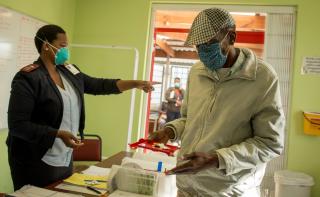
Why completing TB treatment matters
When a patient’s treatment regimen is interrupted or not completed, the TB bacteria can develop resistance to key medicines. When patients are resistant to the two most powerful first-line antibiotics (rifampicin and isoniazid), they are considered to have multidrug-resistant TB (MDRTB). These resistant strains are harder to treat, often requiring longer, more complex regimens and newer drugs. Extensively drug-resistant TB (XDR-TB) occurs when a patient is resistant to second-line drugs. Only a third of people with XDR-TB are cured.
What is drug-resistant TB?
Drug-resistant TB occurs when TB bacteria are resistant to one or more of the medicines normally used to treat the disease. Multidrug-resistant TB (MDR-TB) is resistant to at least two of the most powerful first-line TB medicines: isoniazid and rifampicin. Drug-resistant TB is more difficult to treat and may require different medicines and specialised treatment regimens.
How is drug-resistant TB treated?
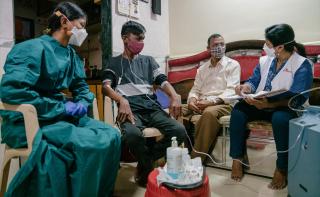
Though a range of MDR-TB regimens are now in use around the world, many people are still treated with conventional TB treatments that are long (up to 24 months), ineffective (only 59% treatment success in 2018), and often cause terrible side effects, including acute psychosis and permanent deafness. Patients on these regimens must take up to 14,000 pills over the full course of treatment, and some must endure months of painful, daily injections.
MSF has been part of clinical research showing that shorter, all oral TB treatment regimens are safer and more effective than older approaches—offering better outcomes for patients with drug-resistant disease. These regimens, such as the six-month BPaLM combination, have significantly improved cure rates and reduced treatment burden.
How does HIV affect the risk of TB?
People living with HIV are at greater risk of progressing from latent to active TB due to immune compromise. TB is a leading cause of death among people with HIV, highlighting the need for integrated HIV-TB services.
Why is TB especially dangerous for children?
Children are particularly vulnerable to tuberculosis (TB), especially those under five years old, because they are at greater risk of developing severe forms of the disease after infection. In young children, TB can progress rapidly and may cause serious forms such as TB meningitis.
Why is TB difficult to diagnose in children?
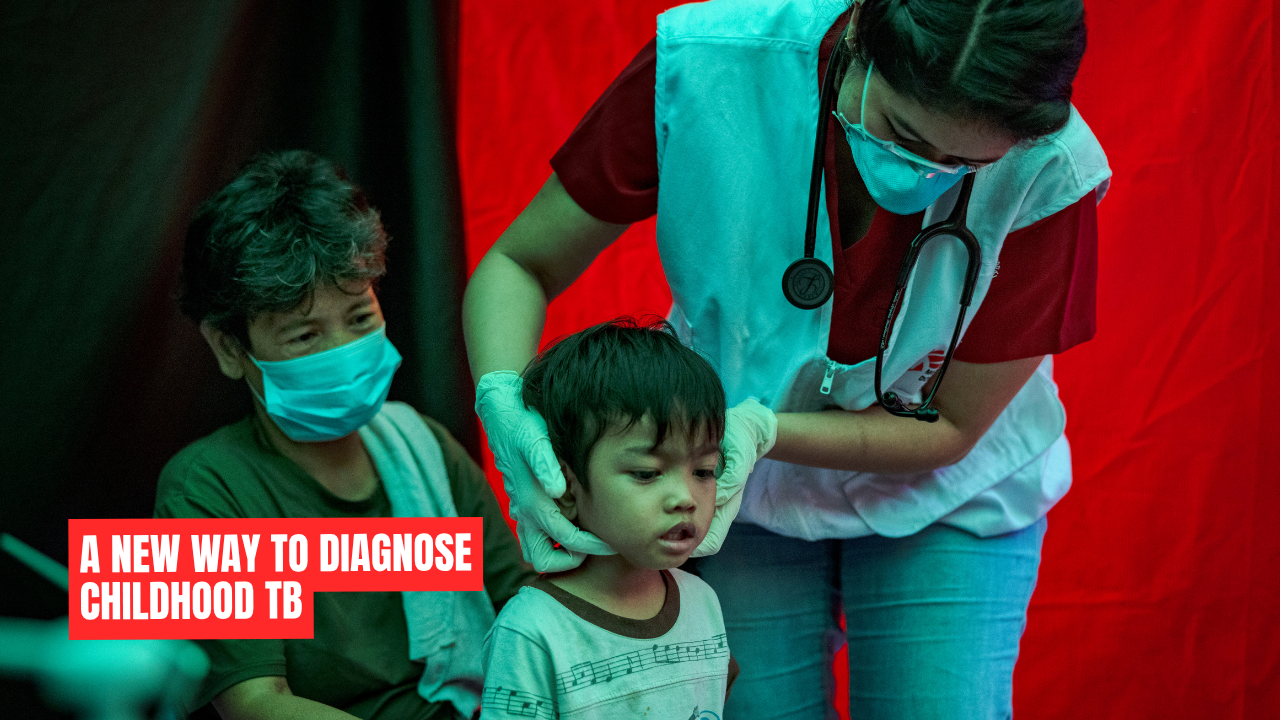
Children are especially vulnerable to TB, yet around 60% of cases are never diagnosed. Diagnosis can be complicated since children often cannot cough up phlegm, which means treatment is delayed and severe forms of the disease can develop rapidly. Many drugs that treat TB—especially MDR-TB—are not produced in paediatric doses, leaving children to take bitter-tasting pills cut into small pieces and crushed. Prolonged hospital stays can isolate children from their families, peers, and schooling. What’s more, children are often excluded from clinical trials that test shorter regimens and new medications, so the benefits of improved, more tolerable treatments take longer to reach them.
How MSF is improving TB care for children
Thanks to new guidelines released by the WHO in 2022, MSF has developed a programme to better manage TB in children. Called TACTiC (Test, Avoid, Cure TB in Children), the programme is implementing the new WHO recommendations in MSF projects in over a dozen countries in Africa and Asia and has already documented an increase in children diagnosed with TB and put on appropriate treatment.
WATCH THE VIDEO TO FIND OUT MORE ABOUT THIS LIFESAVING PROJECT
How does MSF support people affected by TB?
When we get involved in TB treatment programmes, our model of care puts emphasis on early diagnosis, patient support, and community-based treatment that includes:
- Bringing TB care closer to communities - In areas like Khayelitsha, South Africa, MSF pioneered moving DR-TB management from hospitals to local, primary healthcare clinics. This approach allowed clinically stable patients to receive treatment closer to home, reducing the burden of travel and hospitalisation.
- Community health workers and peer support - MSF utilises trained CHWs to provide patient support, including home visits, treatment monitoring, and psychosocial counselling. This helps to reduce stigma and encourages adherence to their treatment.
- Finding TB earlier - Finding patients early, especially children, MSF supports active screening in communities rather than waiting for patients to present with symptoms at clinics. This includes contact tracing, which has been shown to improve treatment completion rates, particularly for children in high-burden settings.
- Training and supporting health workers - MSF trains local health staff on new treatment approaches, such as using stool samples for diagnosis in children, to enable care in resource-limited settings.
- Supporting the whole patient - Addressing the social impact on TB is crucial. MSF integrates nutritional support and mental health care into TB treatment programmes to support patient well-being and adherence.

If TB is treatable, why does it still kill so many people?
Despite progress, TB persists due to structural barriers like underfunded health systems, gaps in diagnosis and treatment access, and social determinants including poverty, malnutrition, and HIV. Children are disproportionately affected; in 2024, over 1.2 million children contracted TB, and many missed diagnosis and treatment.
FREQUENTLY ASKED QUESTIONS ABOUT TB
Yes. With accurate diagnosis and adherence to a complete TB treatment course, most cases can be cured.
Malnutrition weakens immunity and is linked with worse TB outcomes. Good nutrition is a key component of comprehensive TB patient care.
MSF provides counselling, community follow-up, and psychosocial support, which are critical to long-term treatment adherence and completion.
Common side effects can include nausea, fatigue, and nerve pain and more severe side effects include permanent deafness.
Support includes reducing stigma, encouraging treatment adherence, and helping patients attend clinic appointments.
What to remember about tuberculosis
- TB is preventable and curable, but it continues to affect millions of people worldwide.
- Early diagnosis and treatment are essential to saving lives and reducing transmission.
- Drug-resistant TB remains more difficult to treat, but shorter and safer treatment options are improving outcomes.
- Children and people living with HIV are particularly vulnerable to severe TB.
- MSF works to improve access to diagnosis, treatment and patient-centred TB care.
From introducing shorter, safer treatment regimens to bringing care closer to communities, MSF continues to push for better solutions for people affected by TB.