
What makes Médecins Sans Frontières/ Doctors Without Borders (MSF) different is its commitment to independent medical humanitarian action. MSF provides healthcare based on medical need, while maintaining the freedom to speak out about what our teams witness.
In Paris in 1971, Médecins Sans Frontières/Doctors Without Borders (MSF) was formed by 300 volunteers: doctors, nurses and other staff, including 13 founding doctors and journalists. Their mission was straightforward: provide medical humanitarian care to people who need it most, wherever they are.
But in a world where humanitarian aid is increasingly politicised, funding is under pressure and access to healthcare is becoming more difficult in many crises, what makes an organisation like Doctors Without Borders different?
The answer lies in our values: independence, bearing witness, working with communities and adapting to changing needs.
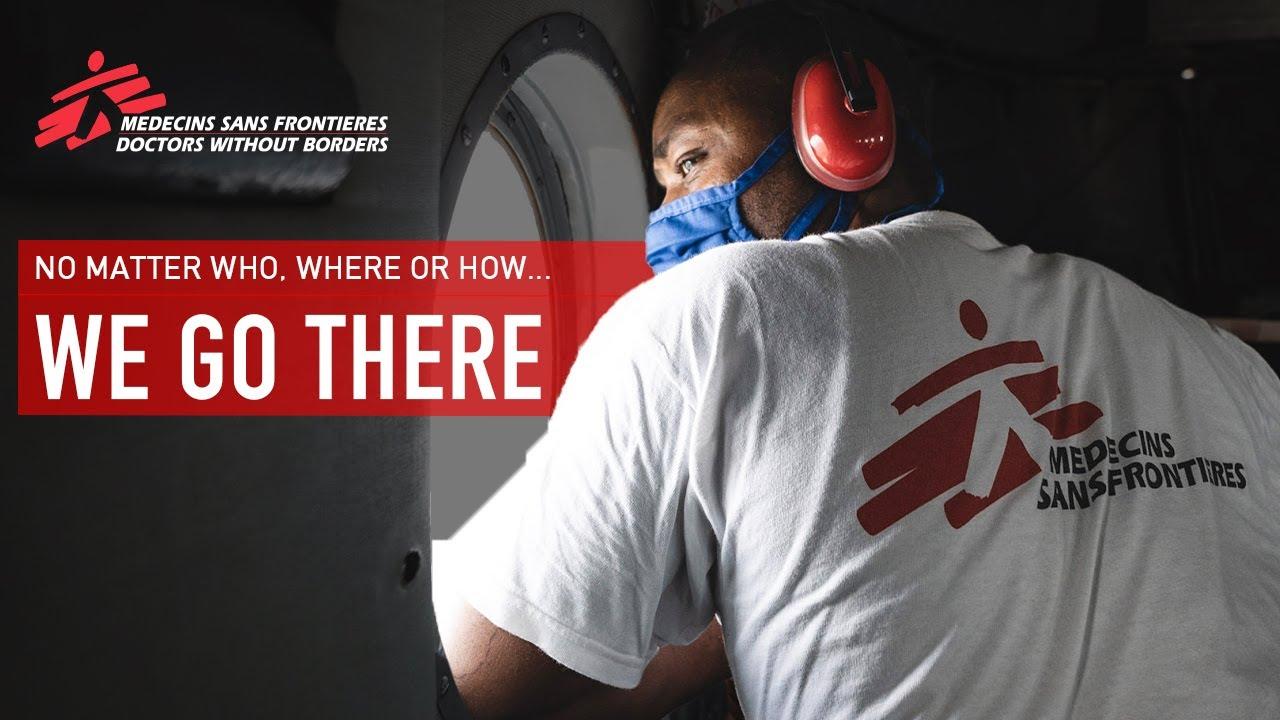
We Go There.
Independence: Why MSF puts medical needs first
Doctors Without Borders was founded on the principles of neutrality, impartiality, and independence. Over 97% of our funds come from individual donors. To safeguard our independence and our ability to act according to medical needs, we generally do not accept funding from governments. We also decline funding from industries whose activities or products may conflict with our medical and humanitarian principles, such as tobacco, alcohol, or pharmaceutical companies.
This financial independence allows us to provide care in some of the most unstable and underserved places in the world.
Independence means we provide healthcare based on medical needs, regardless of race, religion, or political affiliations. It means we can remain neutral in all contexts and not take sides in armed conflicts. Independence is why we are still able to serve people in over 70 countries, year after year.
In simple terms: MSF's independence helps it decide where and how to respond based on need.
But independence does not mean working alone. MSF teams work alongside local healthcare workers, communities and other partners to understand needs and adapt medical activities to the context.
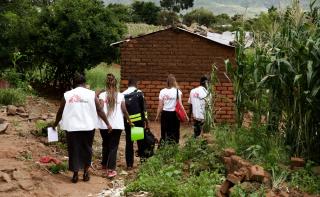
Rooted in communities: local people are central to MSF's work
We work together with communities to shape our interventions. By including communities as stakeholders, we can provide care that is tailored to their specific needs and cultures, and we can leave them empowered to maintain healthcare systems when we exit. While our core purpose is to provide emergency medical care, MSF has had to adapt to protracted and overlapping crises, which makes interventions more complex. This has meant a large shift to focusing on a range of partners – including communities – who can help us cope with myriad needs. One of the biggest changes in MSF’s history has been the growing role of locally hired staff in our projects.
Today, over 90% of our staff are hired locally in the countries where we operate.
Being closer to the communities we serve has been invaluable for learning and adaptation. Acknowledging our patriarchal past and shifting to a community-centred and community-led approach is something we continue to strengthen with every project we launch.
The result is a model of humanitarian action that relies heavily on people who know the local context.
Bearing witness: MSF does more than provide medical care
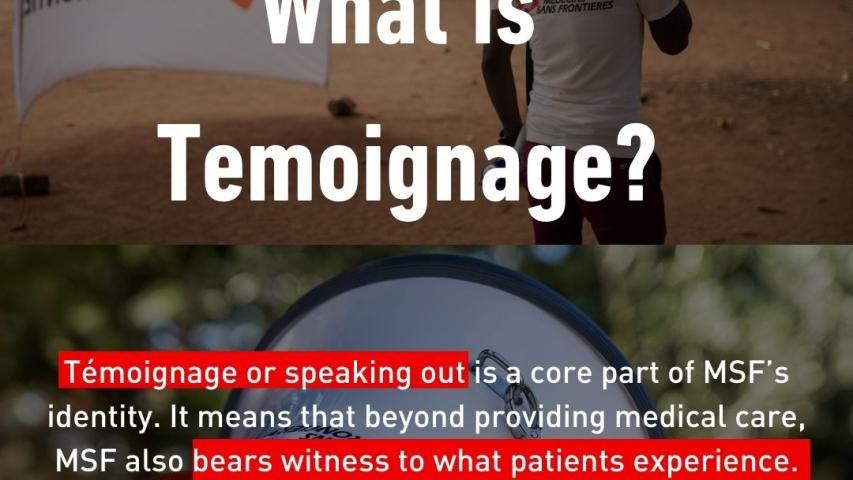
Another defining feature of Doctors Without Borders is témoignage, or "bearing witness". Journalists were intentionally included among the people who founded MSF. The idea was that medical teams should not only treat people affected by crises, but also speak about what they see when they witness extreme suffering, violence or barriers to healthcare.
This remains an important part of MSF's work today.
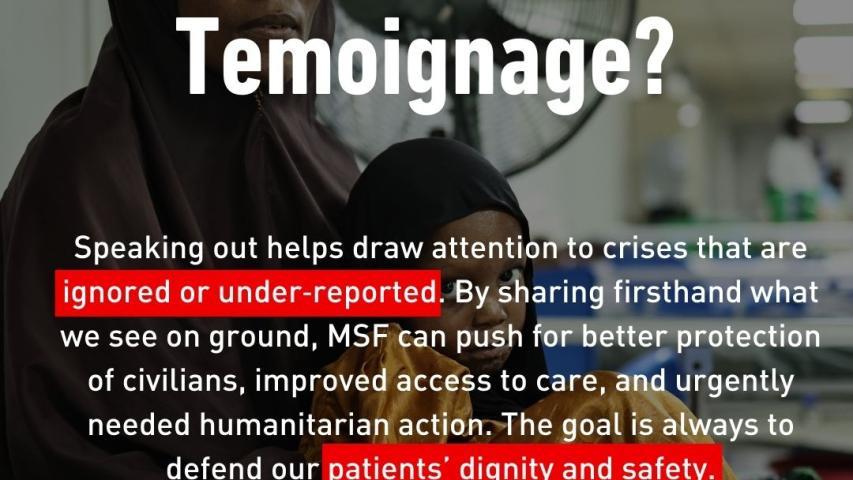
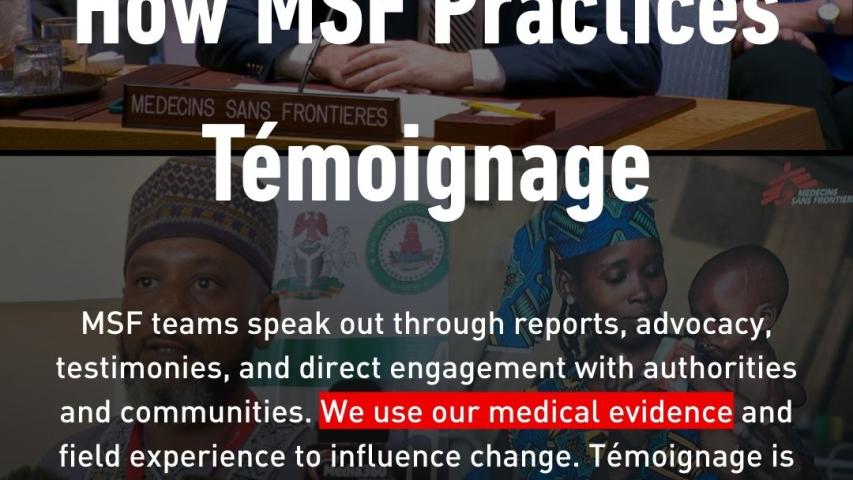
MSF teams document and speak out about attacks on healthcare, the consequences of armed conflict and the suffering of civilians. For 55 years, this has not wavered, even as we face increasing censorship and misinformation. Recently we have been documenting the growing number of attacks on healthcare facilities, especially in places like Palestine, Sudan, Myanmar and Ukraine. We continue to highlight civilians trapped by conflict and try to draw international attention to crises that receive little political or media focus. We also advocate for equitable access to medications by challenging patent laws and pharmaceutical companies' exorbitant pricing.
This is an important distinction: MSF does not see neutrality as silence.
As Dr James Orbinski said during MSF's Nobel Peace Prize acceptance speech in 1999:

This carousel explains MSF principle of Temoignage


So, what makes Doctors Without Borders different?
At its core, MSF is different because it combines medical action with independence and the willingness to speak out.
Its approach can be understood through four commitments:
- Independence: making decisions according to medical and humanitarian needs.
- Impartiality: providing care based on need, regardless of identity or affiliation.
- Bearing witness: speaking out about suffering, attacks on healthcare and barriers to medical care.
- Community-centred action: working with and learning from the people and communities it serves.
These principles do not mean MSF always gets everything right. Humanitarian action is complex, and the organisation continues to examine how it works, including how power is shared with local staff and communities.
But the underlying commitment remains the same: to go where the needs are greatest and provide medical care to people who might otherwise be denied it.
A changing humanitarian landscape
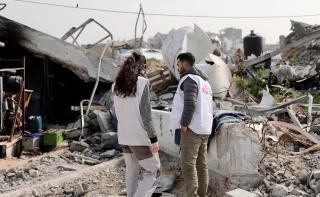
There is no doubt that the humanitarian landscape is facing a crisis, and we are charting new territory, but we are committed to adapting how we work to ensure we continue to go where needs are greatest. As the devastation of funding cuts is being revealed, there is growing pressure on organisations like ours to fill the gaps. With the UN estimating that 239 million people are in need of humanitarian aid, we know we can’t do it alone, but we won’t stop trying.
“Independent humanitarianism is a daily struggle to assist and protect,” continued Dr Orbinski in MSF’s Nobel Peace Prize speech. “Despite grand debates on world order, the act of humanitarianism comes down to one thing: individual human beings reaching out to their counterparts who find themselves in the most difficult circumstances.”
For MSF, that struggle continues.
Support independent humanitarian action
Your support helps MSF remain independent and provide lifesaving medical care to people caught in crises around the world.