
Women’s health in emergencies is a critical part of Doctors Without Borders (MSF)’s humanitarian response. In conflicts, natural disasters, epidemics and displacement, women and girls can face increased risks during pregnancy and childbirth and reduced access to essential reproductive healthcare.
From antenatal care and safe delivery to emergency obstetric and gynecological services, family planning and post‐abortion care, we address both preventive and emergency needs. In crises, our rapid response, referral systems, training of local staff, provision of free care, and targeting the leading causes of maternal mortality have saved millions of lives.
What women's health services does MSF provide?
MSF delivers a broad spectrum of women’s health and reproductive services, especially in crisis, conflict, refugee, and low‐resource settings. Services include:
Maternal and newborn care
- Antenatal and postnatal care to monitor the health of mothers and babies before and after birth.
- Safe delivery services with skilled midwives and obstetric teams.
Emergency obstetric and newborn care (EmONC) are interventions needed when a pregnancy or delivery develops complications that threaten the life of the mother or newborn. These include caesarean sections and management of complications such as haemorrhage, sepsis, eclampsia, and obstructed labour.
Sexual and reproductive healthcare
- Family planning and contraception
- Safe abortion care where permitted by law
- Post-abortion care
Gynaecological consultations and surgical care for conditions such as obstetric fistula and infection treatment.
Preventing and treating health conditions
- Malaria prevention and treatment during pregnancy
- Prevention of mother-to-child transmission of HIV
- Cervical cancer screening, vaccinations, treatment, referrals and palliative care
- Medical and psychological support for survivors of sexual and gender-based violence,
These services are delivered in hospitals, health centres and mobile clinics — often in areas where no other care is available.

Supporting Women’s Health During Emergencies
When natural disasters, epidemics, or conflict affect or displace communities, our teams are often among the first people to respond. They prioritise maternal and reproductive care alongside trauma and controlling the spread of infectious diseases like cholera.
What does MSF do during a health emergency?
- Set up or reinforce maternity and obstetric services
- Provide emergency obstetric and neonatal care
- Distribute birth, obstetric and hygiene kits
- Support sexual and reproductive healthcare
- Provide contraception and post-abortion care
- Offer psycho-social support and protection services
- Establish referral and ambulance systems
How does MSF help pregnant women affected by conflict?
In conflict zones, pregnant women face elevated risks: disrupted health infrastructure, lack of transport, insecurity, shortages of staff/supplies. MSF responds by:
- Maintaining or establishing maternity units even in insecure areas; running safe delivery and obstetric services under difficult circumstances. For example, in Afghanistan, MSF runs maternity wards, operating theatres for caesareans, labour & delivery rooms even amid conflict.
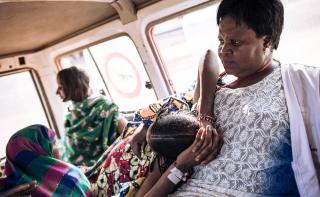
- Running ambulance or referral systems so that women with complications can reach higher‐level care.
- Providing 24/7 emergency obstetric care in those settings, delivering free services regardless of conflict status.
Preventing maternal deaths in emergencies
In 2023, more than 700 women died every day from preventable causes related to pregnancy and childbirth – equivalent to one maternal death almost every two minutes. Maternal mortality is the death of mothers linked to pregnancy or childbirth, and the number of preventable deaths – especially in the areas where we work – is unacceptable.
What causes maternal deaths?
- Severe bleeding (haemorrhage)
- Infections and sepsis
- Unsafe abortion
- Hypertensive disorders
- Obstructed labour
How MSF works to prevent maternal deaths
We take a comprehensive approach that focuses on:
Access to maternal healthcare
Providing free maternity and emergency obstetric services where the needs are greatest through mobile clinics, community outreach, health promotion, and clinics in displacement camps.
- Speed: Rapid treatment of complications and/or referrals to facilities equipped for specialised surgery.
- Quality: Skilled midwives, doctors, and nurses who are trained in emergency obstetric procedures and can operate in safe, sanitary conditions.
- Prevention and detection: Family planning and prenatal screening to identify and manage high-risk pregnancies early.
- Preventing maternal deaths remains one of MSF’s top global priorities. Through decades of experience, we’ve demonstrated that even in the most fragile contexts, lives can be saved with timely, skilled, and accessible care. With this in mind, we continue to advocate for:
- Greater investment in maternal health infrastructure.
- Respect for women’s rights to safe childbirth and reproductive autonomy.
- Improved access to contraception, safe abortion and post-abortion care.
- Trained midwives and emergency obstetric capacity to be included in every humanitarian emergency response.
By combining action with advocacy, our women’s health programmes aim not only to treat emergencies but to better equip mothers and babies in crisis settings.
What to remember
- As long as maternal and child mortality rates remain unacceptably high, women’s health will remain a priority for Doctors Without Borders(MSF).
- We provide a comprehensive package of maternal and reproductive care in many of the world’s most challenging settings.
Explore how we make women’s health accessible to communities most at risk and in need.