Damir is two months old. His mother, Kateryna Murashkina, is 17. Since his birth, he has been bathed twice — once in the hospital, and once on a rare day when electricity briefly returned.
“We use wipes now because it’s very cold,” she says. “The room doesn’t warm up in time to bathe him. I’m afraid of giving my child a cold.”
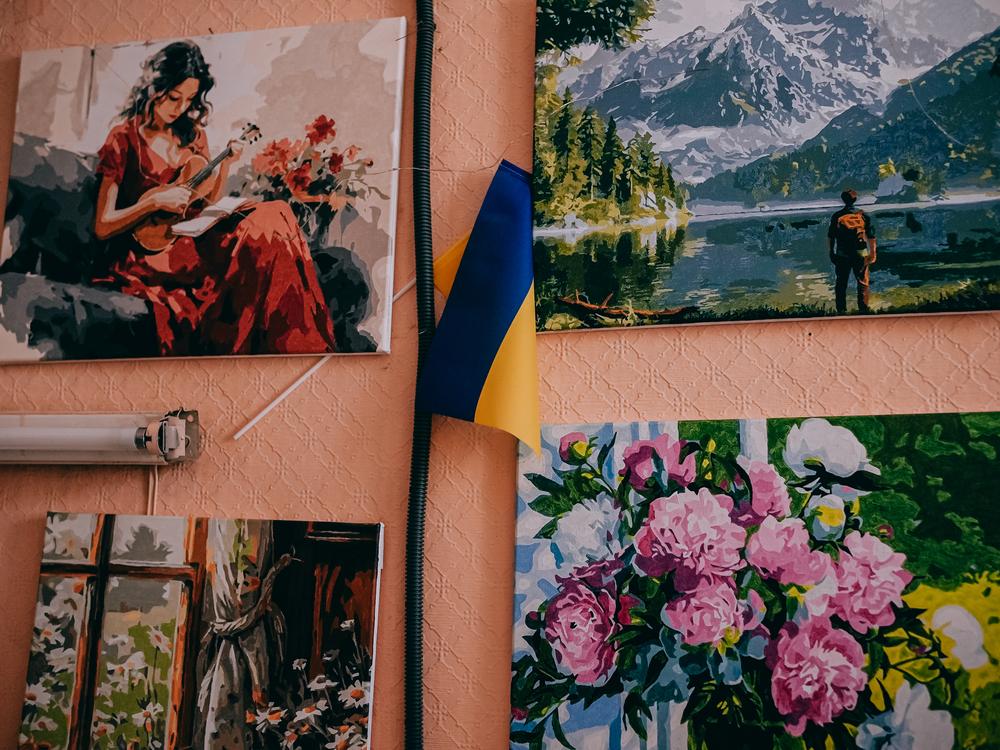
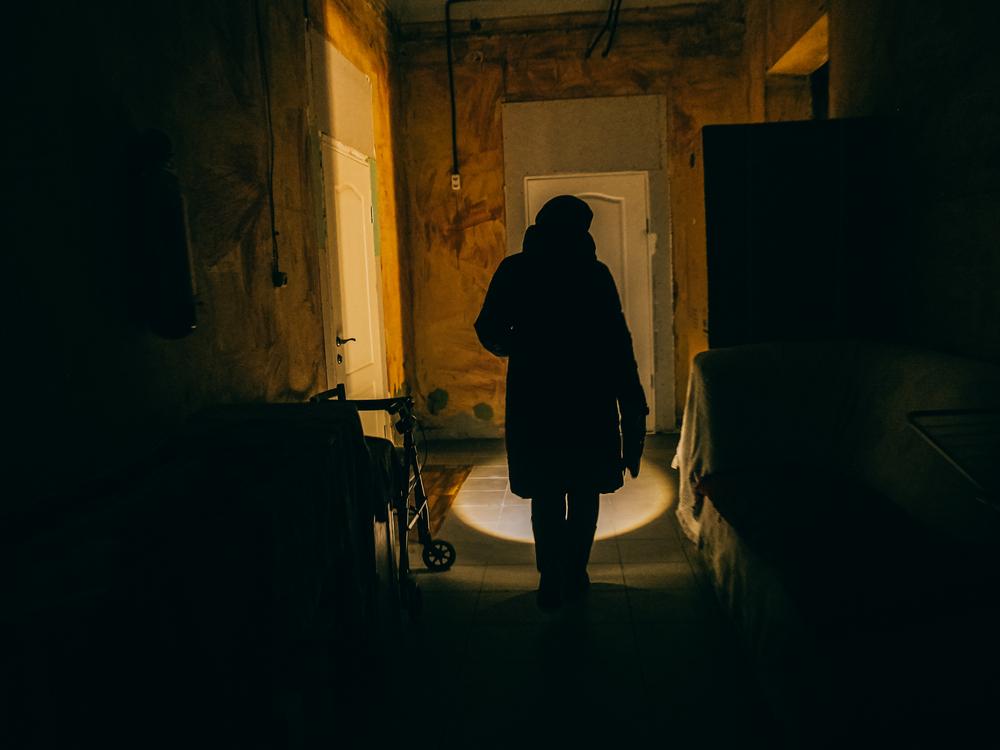
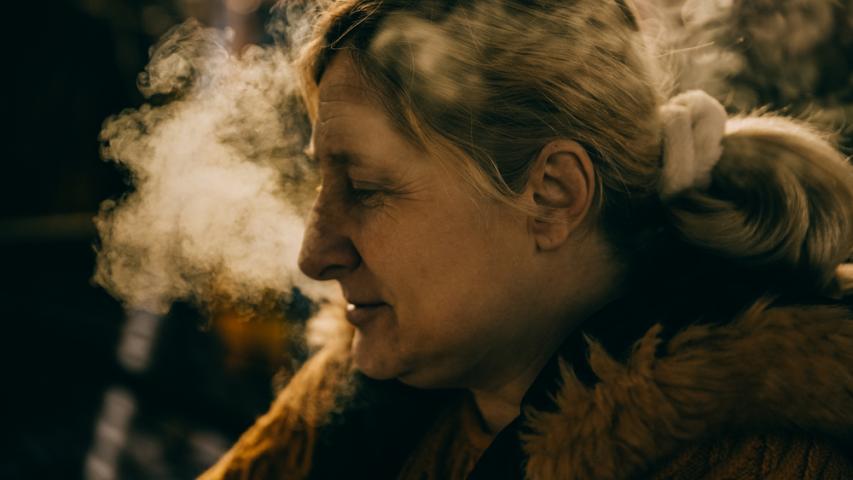
Kateryna and Damir live in a former scientific institute in Dnipro, repurposed as a shelter in 2022, where MSF teams now provide medical consultations for residents. Around 270 people displaced from occupied areas or cities reduced to ruins now live there. Repeated strikes by Russian forces on energy infrastructure mean residents endure days without heating, water, or electricity — in temperatures that fall to minus 20°C.

MSF’s increased presence in shelters like this one through mobile medical clinics, reflects the growing needs for displaced people as fighting continues to empty towns and villages. Consultations provided through mobile medical clinics more than doubled in 2025 compared to 2024 — increasing from 4,327 to 9,500.
For many people living near the front line, the decision to leave home takes a long time and is extremely difficult, despite the extreme danger posed by the encroaching front line. With limited financial means and few alternatives, elderly people and those with chronic illnesses often remain in their homes until sustained bombardment and the collapse of infrastructure and essential services, including medical services, leave them no choice but to flee.
The scale of destruction in Ukraine is enormous and has only grown since Russian forces invaded in 2022. The nature of front-line warfare, encompassing artillery, drones and missiles, means that nothing and no one is spared as it shifts. MSF teams have also been forced to adapt – leaving seven hospitals and over 40 locations where they were running mobile clinics – when the situation becomes too dangerous.
Lyman, in the Donetsk region, is one district where MSF was running mobile medical clinics before insecurity made operations impossible. In June 2024, activities were suspended entirely. Today, approximately 2,000 residents remain in the frontline town, which faces daily shelling.

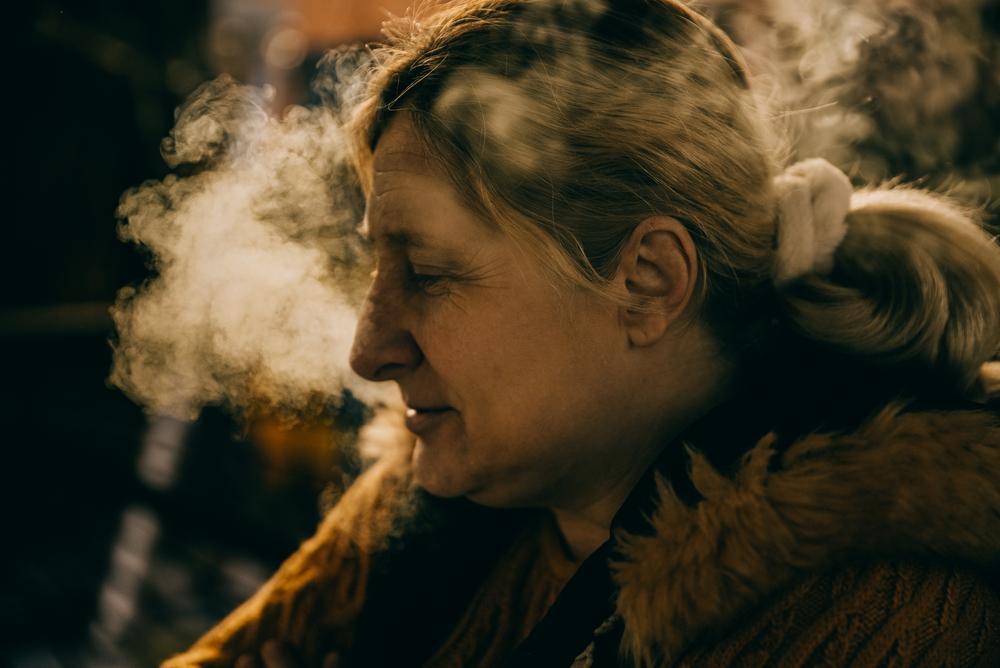
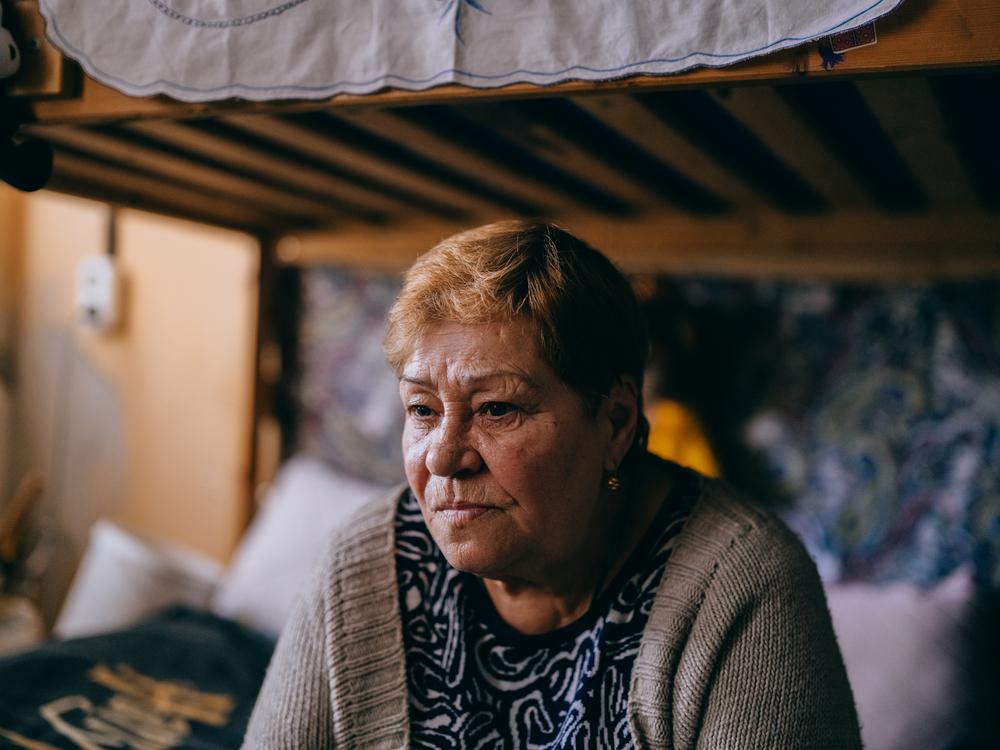
Lyman was also 67-year-old Zinaida Babisheva’s home, who now lives in the Dnipro displacement shelter. She recalls life before the full-scale invasion. She remembers pulling tables into the street on public holidays to eat with neighbours. She remembers her garden.
“We had apples, plums, cherries, pears, peaches. So many roses and lilies,” she says. “Now my daughter grows flowers, but I no longer feel like doing anything.”
Liubov Kuzmenko, 65, from Siverskodonetsk, also lives in the shelter with Zinaida, Kateryna and Damir. She says her apartment was looted after Russian forces took control. But what weighs most heavily on her is separation from her family.
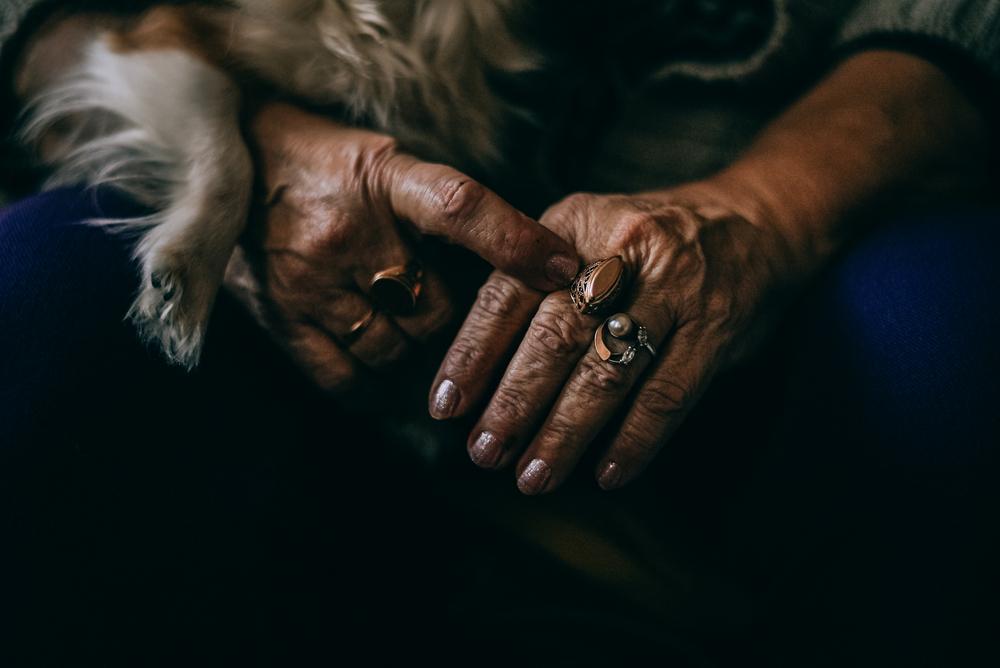
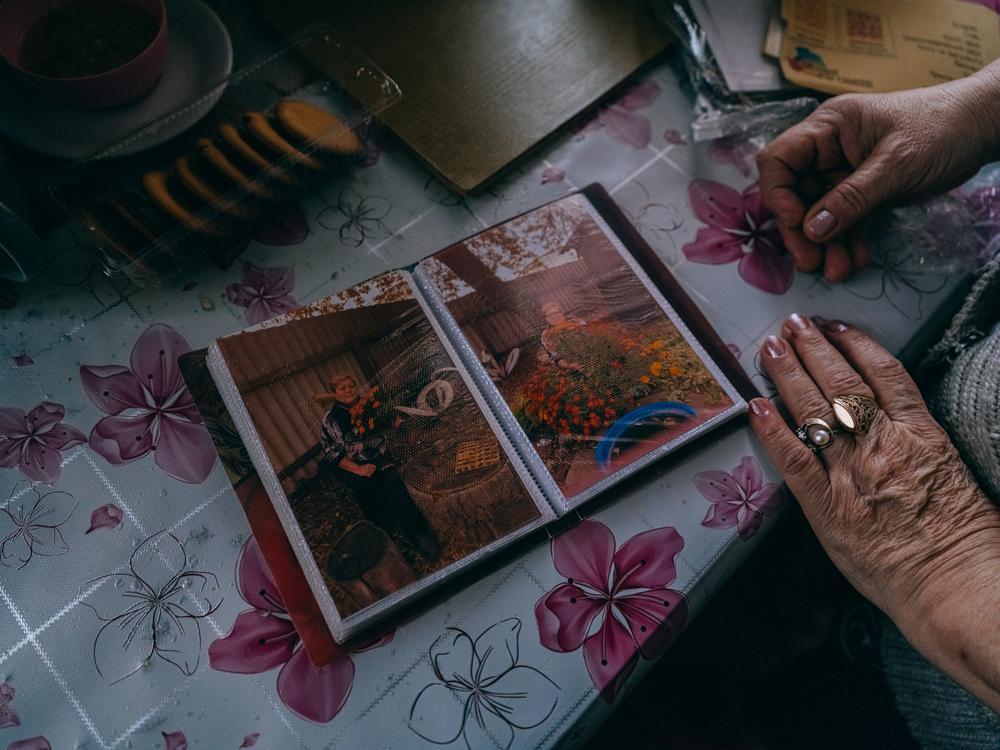
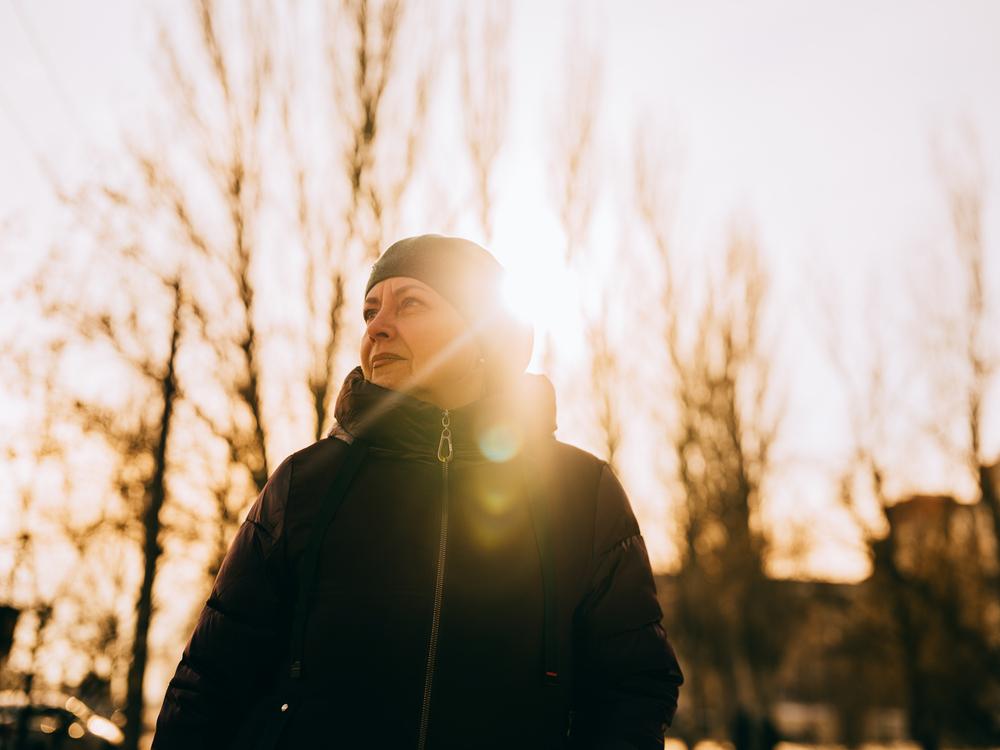
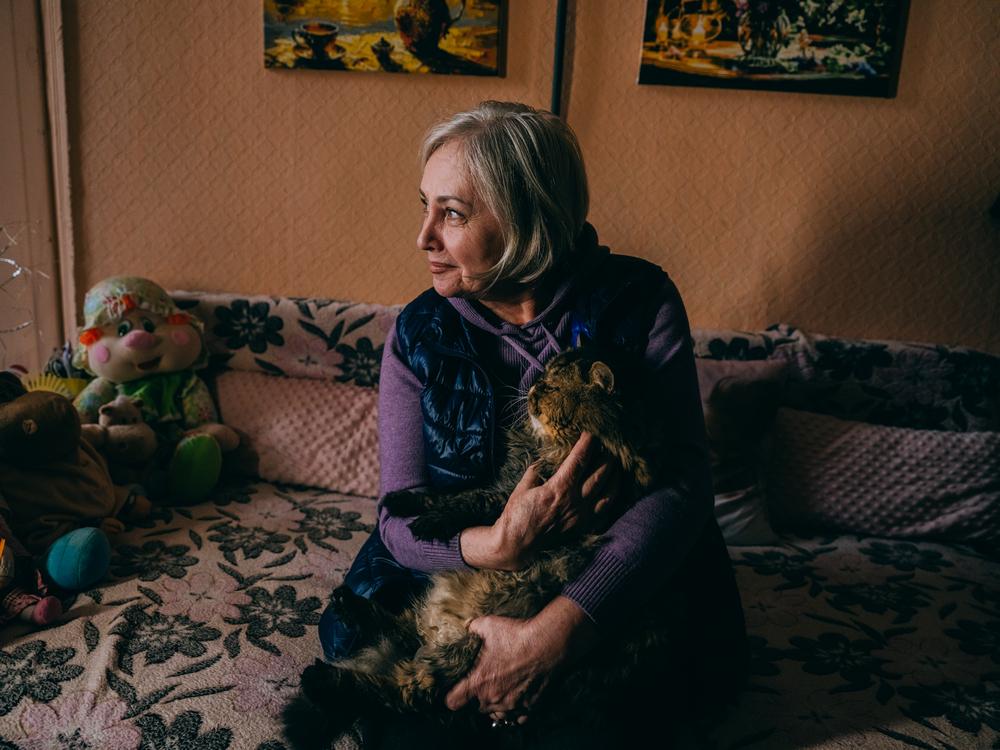

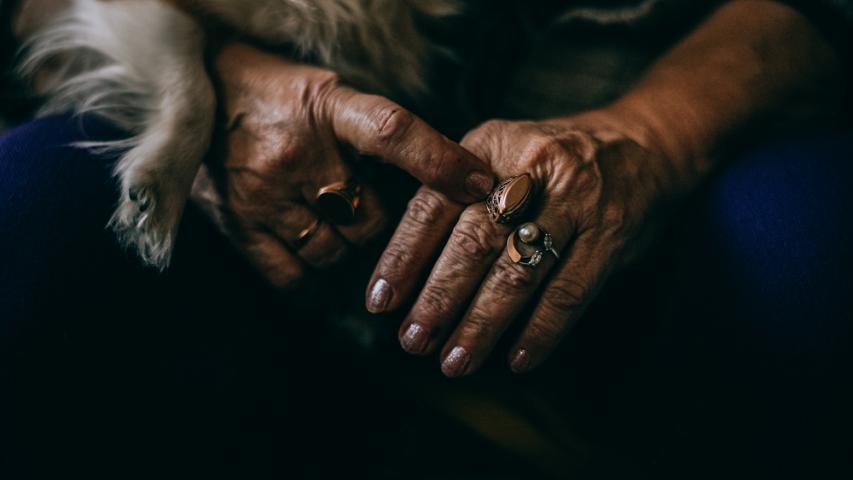
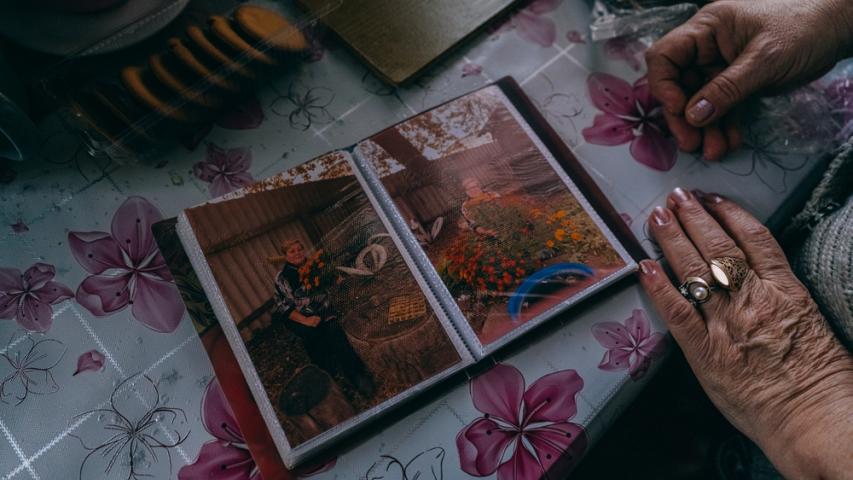
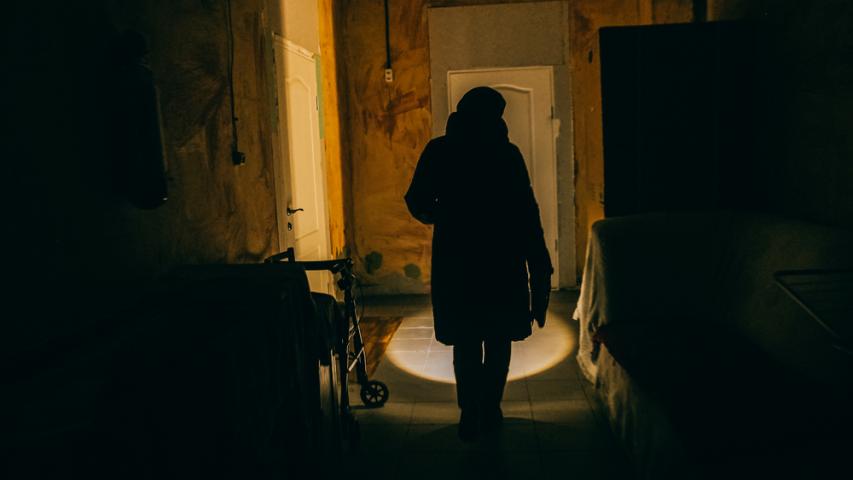
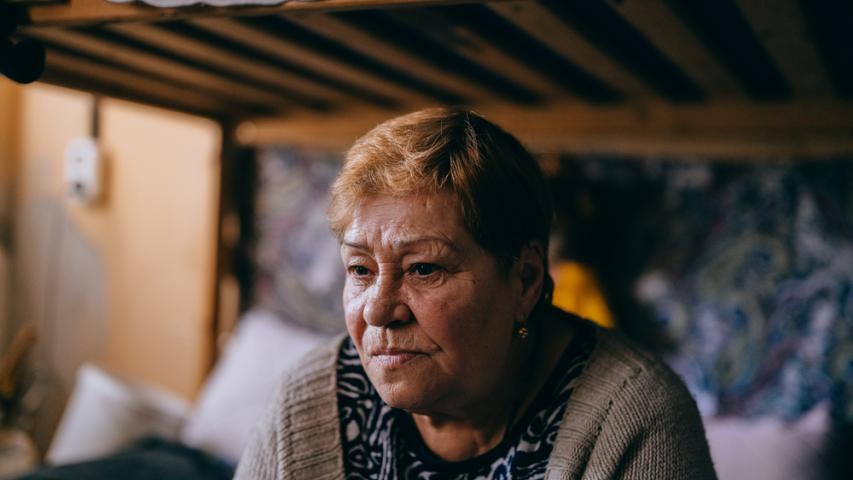
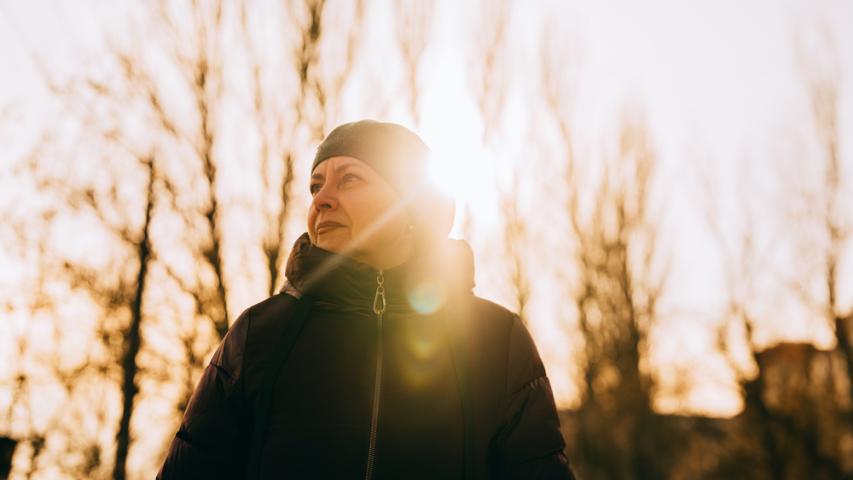
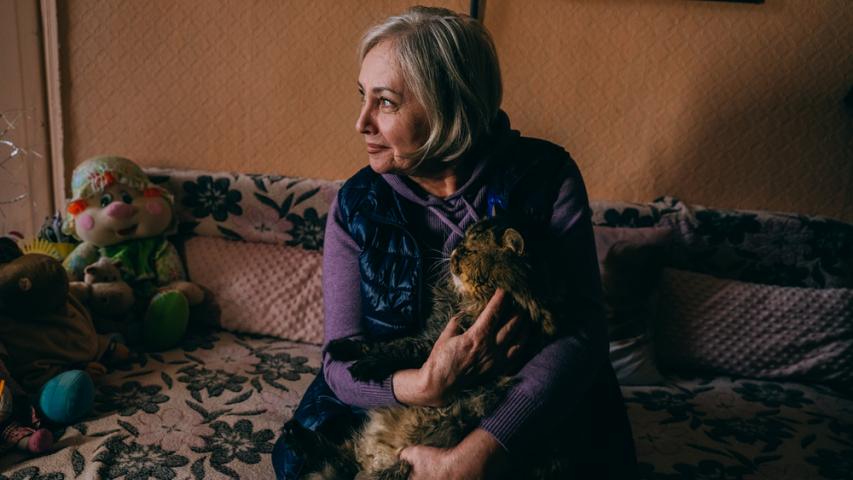
“My parents stayed under occupation. My father died in 2024, and I couldn’t return to bury him. I send my mother video messages — it hurts that I cannot be there.”
As the war grinds on, hospitals, pharmacies, schools and shops have been destroyed or closed. Entire communities have become uninhabitable. As fighting continues, displacement has risen — and the humanitarian needs grow more complex and prolonged.
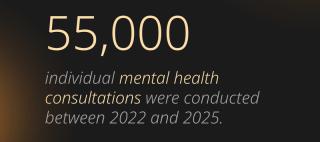
MSF continues to provide medical and psychological care across Ukraine: supporting hospitals near the frontline, running ambulances for war-wounded patients, and operating mobile clinics in shelters and communities hosting displaced people and in locations where people are trying to remain despite collapsing services and encroaching frontlines.

MSF calls for the immediate release of all Palestinian healthcare workers arbitrarily detained by Israel

El Obeid drone attacks: MSF on Sudan's water, health & displacement crisis