
Key Takeaways
- Since the outbreak was declared on 15 May 2026, more than 4,000 people have died out of over 9,000 confirmed cases, and MSF is responding in Ituri, North Kivu and Haut-Uélé with eight Ebola treatment centres.
- At the Kitatumba Treatment Centre in Butembo, around thirty children were admitted over the summer and twenty-four of them died. Their average age was seventeen months.
- In more than 82 per cent of cases, no one else in the family was sick. The only common factor Dr Rupa Narra found was that the children had been admitted to two or three healthcare facilities before reaching the centre.
- Children were left alone for long periods, and because protective equipment cannot be worn for more than one hour at a time, staying with them was extremely difficult.
- Dr Rupa Narra states that until health facilities at every level have stronger infection prevention and control, Ebola will continue to spread within them, and that children’s needs must be considered in treatment development and clinical trials.
A Paediatrician’s Assignment in Butembo, North Kivu
Dr Rupa Narra’s Experience with Ebola Outbreaks
I arrived in Butembo, a city in North Kivu, in mid-August 2026 for an assignment of nearly six weeks as a paediatrician with Doctors Without Borders (MSF). It was my twenty-fourth assignment with the organisation. In 2014, I worked as an epidemiologist for another organisation in Guéckédou, Guinea, at the epicentre of the Ebola outbreak that struck West Africa.
Until this year, I had never been involved in the paediatric care of children with Ebola in a treatment centre. Most importantly, I had never witnessed such high child mortality. It was the most difficult assignment I have ever undertaken.
Child Deaths at the Kitatumba Treatment Centre
At the Kitatumba Treatment Centre in Butembo, managed by the Ministry of Health and supported by MSF, around thirty children were admitted over the summer. Twenty-four of them died. Their average age was seventeen months, including several newborns. I was involved in the care of three seven-year-olds and one six-year-old. All the others were under the age of five.
One question has stayed with me since this assignment: are children paying the price for shortcomings in the Ebola response?

Children Alone Inside the Ebola Treatment Centre
Ministry of Health Protocols and Children Left Alone
Once these children arrived at our facility, they were alone. Butembo operates under Ministry of Health protocols, and the Ministry determines what happens inside the treatment centre. When a patient tests positive, family members without symptoms are generally discouraged from accompanying them, in order to avoid exposing an entire household of six or seven children, a spouse, or grandparents. I understand that decision, and I had no authority to change it. But in practical terms, it meant leaving a 15-month-old baby or a two-and-a-half-year-old child alone in a room for long periods of time. This is almost impossible to comprehend and accept.
I remember hearing one sentence repeatedly during my assignment: “These children arrive very late; their parents should have brought them sooner.” Yet these children had already been hospitalised in several facilities during the days or weeks before their admission to the Ebola treatment centre.
Investigation Records: No Other Family Members Were Sick
I reviewed the investigation records of children who had previously been treated at the centre, as well as those I cared for myself. Among more than 82 per cent of children under five, nobody else in the family was sick. Not the parents, not the grandparents, not the older siblings who attended school. These were often large families with four, five or six children. Only the youngest child had Ebola.
Some colleagues suggested a possible explanation for these isolated cases within a family: perhaps the parents had been vaccinated during a previous outbreak in 2018 and have retained immunity ever since. But then why were the older brothers and sisters not infected either?
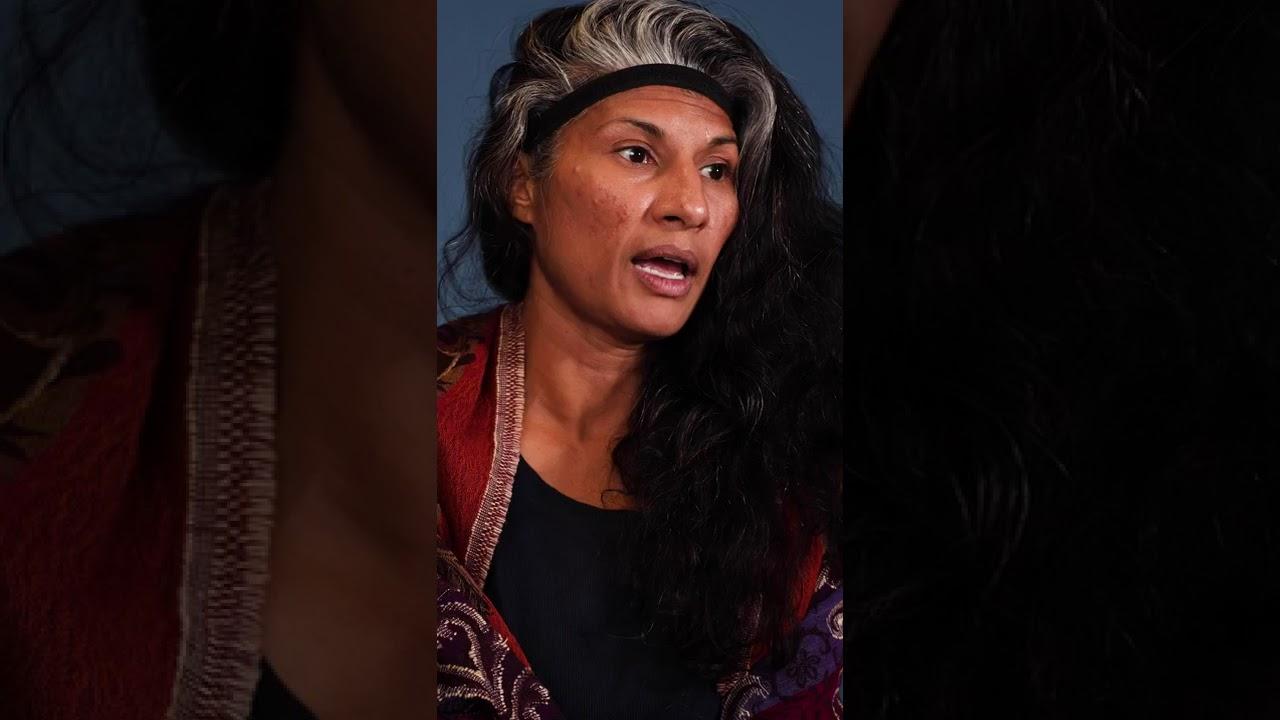
Why are children being left out of the Ebola response?
The Common Factor: Multiple Healthcare Facilities Before Admission
The only common factor I found was that all of these children had been admitted to two or three healthcare facilities, and sometimes more, before arriving at our centre. A health post, then a clinic, then a hospital, for example. They were usually being treated for what appeared to be malaria, pneumonia, diarrhoea, or vomiting, common illnesses in infants or in this region.
At the same time, we were receiving healthcare workers infected with Ebola who had come from these very same facilities. I know that many of these places do not always have gloves available, or even water and soap for staff to wash their hands between consultations.
Why Infection Prevention and Control Matters
This is not a scientific study, of course. I worked in only one Ebola treatment centre, Kitatumba in Butembo, and I am speaking only about the children who reached us. Community transmission is widespread and must be tackled, because that is how chains of transmission are broken. Many children are probably dying at home alongside sick relatives. But for the children I treated, no other explanation made sense. I believe they were infected in healthcare facilities, just like the healthcare workers employed there.
Until health facilities at every level have stronger infection prevention and control measures for both patients and staff, Ebola will continue to spread within them.
Caring for Children Inside the High-Risk Zone
Why Adult Patients Could Not Care for Children
We were sometimes advised to entrust children to adult patients, but most adults were too ill even to sit up or drink unassisted and could not care for an energetic toddler. Only one survivor, a woman in her thirties who had no connection to the children or their families, agreed to enter the ward. She cared for a newborn for two weeks, then for a fifteen-month-old child for four days before leaving.

Bundibugyo ebolavirus: What Is Not Yet Known About Reinfection
For the Zaire ebolavirus, which affected the DRC between 2018 and 2020, we had extensive data on survivors. With the Bundibugyo ebolavirus, however, we do not know whether someone who has recovered and is later heavily exposed can become sick again. The team explained this uncertainty honestly to the survivor who agreed to care for the children.
Protective Equipment Limits and Staffing Needs
It was extremely difficult to stay with the children because, for safety reasons, healthcare workers cannot wear protective equipment for more than one hour at a time. There were occasions when I had to wait an hour before being able to enter, and then another thirty to forty-five minutes to remove my protective gear because there was only one designated area for doing so.
During my final two weeks, the treatment centre was operating at almost 100 per cent capacity. To ensure that someone could remain continuously with the children, we would have needed at least twenty-four staff members per day able to enter the high-risk zone.
Why Children Must Be Included in Treatment Development and Clinical Trials
Many children died alone. That is why it is essential to take their needs into account when considering the next steps, whether in treatment development, clinical trials, or any other initiative involving children. Too often, children and pregnant women are excluded from vaccine trials. Like many others, I refer to them as “therapeutic orphans.”

Palliative Care and Community Mistrust in Butembo
Palliative Care Was Almost Impossible to Provide
Throughout my career with MSF, palliative care has always been one of my priorities. In Butembo, however, it was almost impossible to provide.
Attacks on Health Centres and Fear of Reprisals
Health centres have been burned down in other towns, and I was told this often happened after children had died. Rumours circulated that healthcare workers were being paid to kill patients. Some colleagues even requested that their names be removed from their protective suits. Instead, labels such as “Nurse 1,” “Nurse 2,” and “Doctor 1” were written on them because they feared reprisals.
Telling Parents Their Child Is Unlikely to Survive
In such an atmosphere, telling parents who already struggle to believe Ebola exists, “We are going to relieve your child’s suffering,” can sound as though we are giving up on their child. In many cases, I did not even raise the subject. When possible, I would simply say: “I need to prepare you, and I am deeply sorry, but your child is unlikely to survive the night. Please call as many relatives as you can.”

Paediatric Training and Care Practices in Ebola Treatment
Congolese Healthcare Workers and Gaps in Paediatric Training
The Congolese healthcare workers I worked alongside were highly skilled, but most of them had little experience in paediatrics. They treated children like small adults, and that was not their fault. Either they weren’t trained to care for children, or they didn’t have the appropriate treatments available. Also, they are often not paid on time. And they risk their lives every day.
Three Critical Paediatric Practices
I focused on three simple but critical practices. First, using paediatric intravenous infusion sets, because an adult infusion set can deliver twenty to eighty times too much fluid to a child. Second, treating hypoglycaemia with 10 per cent glucose rather than 50 per cent, which can damage veins. Third, administering oxygen properly. It took nearly three weeks to earn their trust.
MSF’s Ebola Response in North Kivu
Building Community Trust and Isolating Patients
There are very few organisations capable of managing Ebola patients in North Kivu. Over time, local communities came to trust us more and brought us their sick relatives, both adults and children. We isolate patients, one of the most important measures for stopping an outbreak. We train healthcare workers. A mental health team operates inside the high-risk zone. And we provide our Congolese colleagues with the protective equipment they need.
Despite all these efforts, mortality has declined, but not yet to a significant extent.

MSF Reaction to the announcement of the 1st Ebola case reported in Kenya.

Ebola outbreak: MSF statement on WHO Director General’s high-level visit to DRC
