
Key Takeaways
- MSF has expanded its support to Alamata General Hospital in Ethiopia, which serves an estimated 300,000 people, to strengthen maternity, emergency, and neonatal intensive care unit (NICU) services.
- The hospital faces severe operational challenges, including supply chain disruptions, damaged infrastructure, limited referral capacity, and critical staff shortages.
- MSF's intervention focuses on infrastructure rehabilitation, provision of medical equipment, on-the-job training for healthcare workers, and strengthening the referral system.
- Patients unable to afford care at Alamata are increasingly travelling to Korem General Hospital, where MSF already provides free services, adding pressure to that facility.
- MSF has worked in Northern Ethiopia since early 2023, supporting Korem General Hospital and running mobile outreach teams for hard-to-reach communities.
Doctors Without Borders (MSF) has expanded its support to Alamata General Hospital in Ethiopia to help restore and strengthen life-saving healthcare services
The hospital, which serves as the main healthcare facility for an estimated 300,000 people in Alamata town and surrounding areas, has been facing severe operational challenges. These include prolonged supply chain disruptions, damaged infrastructure, limited referral capacity and a critical shortage of healthcare workers, in addition to limited resources. As a result, the quality of care has declined sharply, putting many patients – especially mothers, newborns and patients with life-threatening conditions at serious risk.
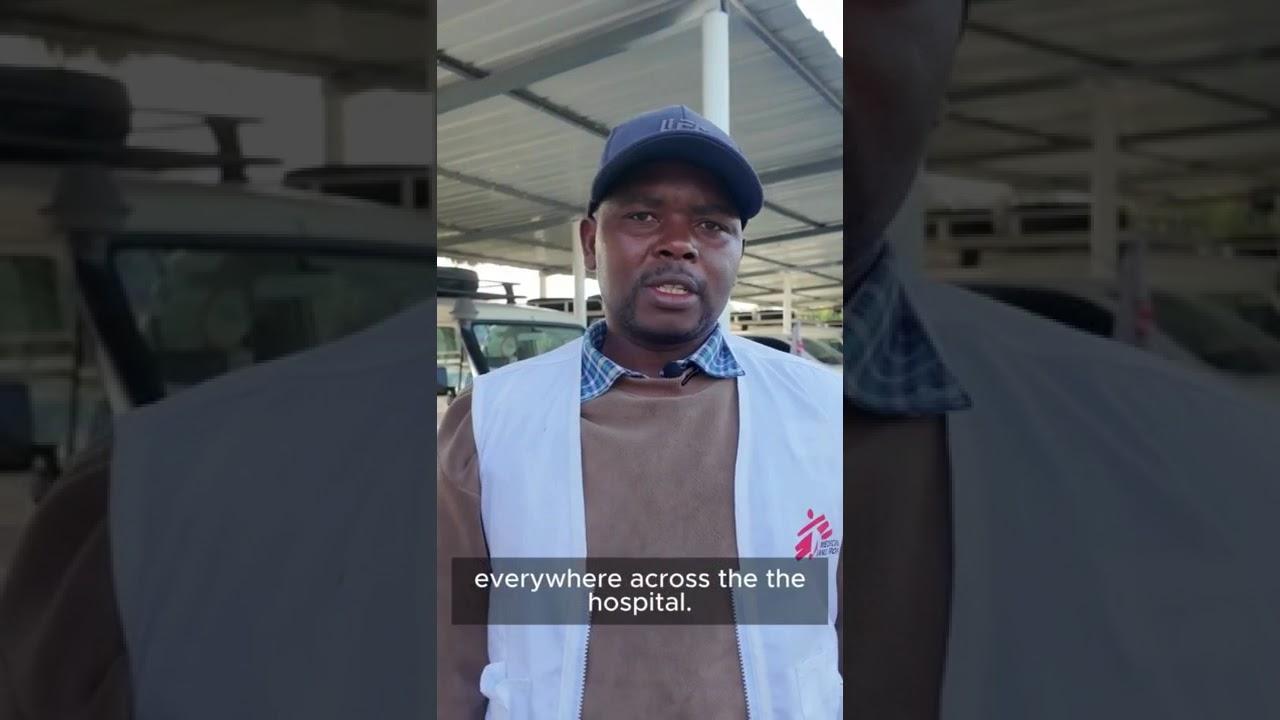
The situation is particularly dire for mothers and newborns. Without timely access to quality emergency obstetric care and neonatal support, preventable complications during childbirth and the early days of life have become far too common.Farayi Marume, MSF's project medical coordinator

MSF's Expanded Intervention: Maternity, Emergency and NICU Support
MSF began supporting Alamata General Hospital in March 2026 and later expanded its comprehensive targeted support to the maternity and emergency departments as well as the neonatal intensive care unit (NICU). This scaled-up intervention aims to restore essential life-saving services and strengthen healthcare access for communities in Alamata town and the surrounding areas.
"These are the departments where the most critically ill patients are at high risk of dying if they cannot access timely, quality services."
MSF's intervention focuses on urgent infrastructure rehabilitation, the provision of critical medical equipment and on the job capacity building for healthcare workers to ensure hands-on implementation, as well as strengthening of the hospital's referral system. The support responds directly to severe gaps affecting the hospital's ability to provide essential care, and aims to reduce preventable deaths among vulnerable patients.
"By working closely with the hospital and local authorities, we hope to alleviate some of the immense pressure on the health system and help restore a minimum level of reliable care for the communities that depend on Alamata general hospital."
Inside Alamata Hospital
Critical Gaps Affecting Patient Care
Once a major referral centre offering specialised services in internal medicine, paediatrics, and obstetrics and gynaecology, the hospital is now operating under extreme strain. It lacks a functional triage system, leading to overcrowded wards where patients, including vulnerable newborns, are exposed to heightened dangers. Unreliable electricity and water supplies, poor sanitation, and weak infection prevention and control, worsened by shortages of basic items such as gloves and masks, further increase the risk of complications and preventable deaths.
Critical departments, particularly the maternity, NICU and emergency departments, have been severely affected and are struggling to provide life-saving care amid severe challenges.

Ripple Effect on Korem General Hospital
Many families are unable to afford treatment at the hospital, forcing them to either forgo care or travel long distances to seek services elsewhere. This has placed an additional burden on neighbouring facilities, including Korem General Hospital, where MSF is already providing support.
“We have seen an increased number of patients coming from the Alamata area to Korem general hospital seeking the services that our team provides free of charge,” Marume said.
“The situation is particularly dire for mothers and newborns. Without timely access to quality emergency obstetric care and neonatal support, preventable complications during childbirth and the early days of life have become far too common.”

MSF's Wider Presence in Northern Ethiopia
MSF has been working in Northern Ethiopia since early 2023, following the conflict that severely disrupted the local healthcare system.
At Korem General Hospital, MSF works alongside the health authorities and hospital staff to provide maternal and child healthcare, emergency care and surgical services.
MSF mobile outreach teams also serve remote and hard-to-reach areas, providing essential primary healthcare services including medical consultations, maternal and child healthcare, nutrition screening, and treatment for common illnesses.
The expansion to Alamata General Hospital strengthens access to critical healthcare services for communities across the area.

A safe space for LGBTQI+ patients in San Pedro Sula

Azalet Dube: The health promoter who believes in the power of teamwork
