
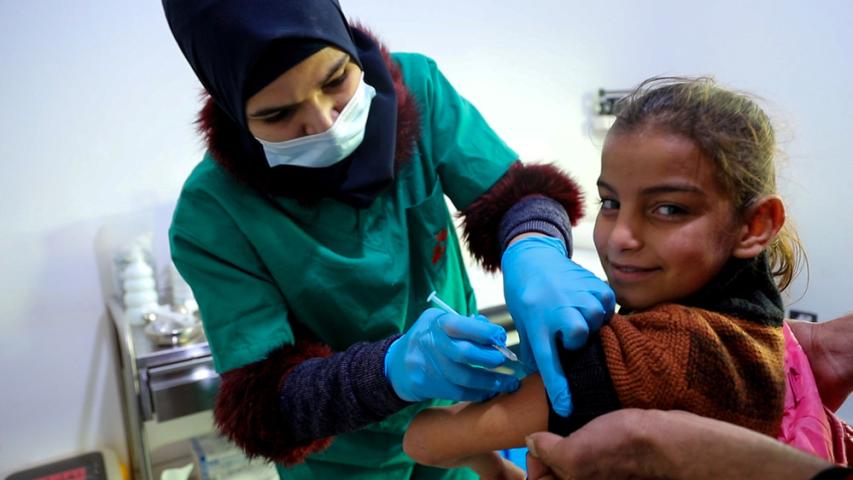
Vaccines save millions of lives every year. They reduce the risks of getting a disease by working with the body’s natural defences to build protection against vaccine-preventable diseases. Immunisation – the process of protecting the human body against infectious disease, typically through vaccination administration – currently prevents 3.5 million to 5 million deaths every year from vaccine-preventable diseases like diphtheria, tetanus, pertussis (whooping cough), influenza, and measles. Vaccines are also very important in preventing and controlling infectious disease outbreaks.
And yet, although they are one of the most successful and widespread public health tools used to protect against diseases, vaccines are not always affordable, adapted to the context, or accessible to everyone who needs them. And, in some cases, there are simply no vaccines available yet to protect against certain diseases.
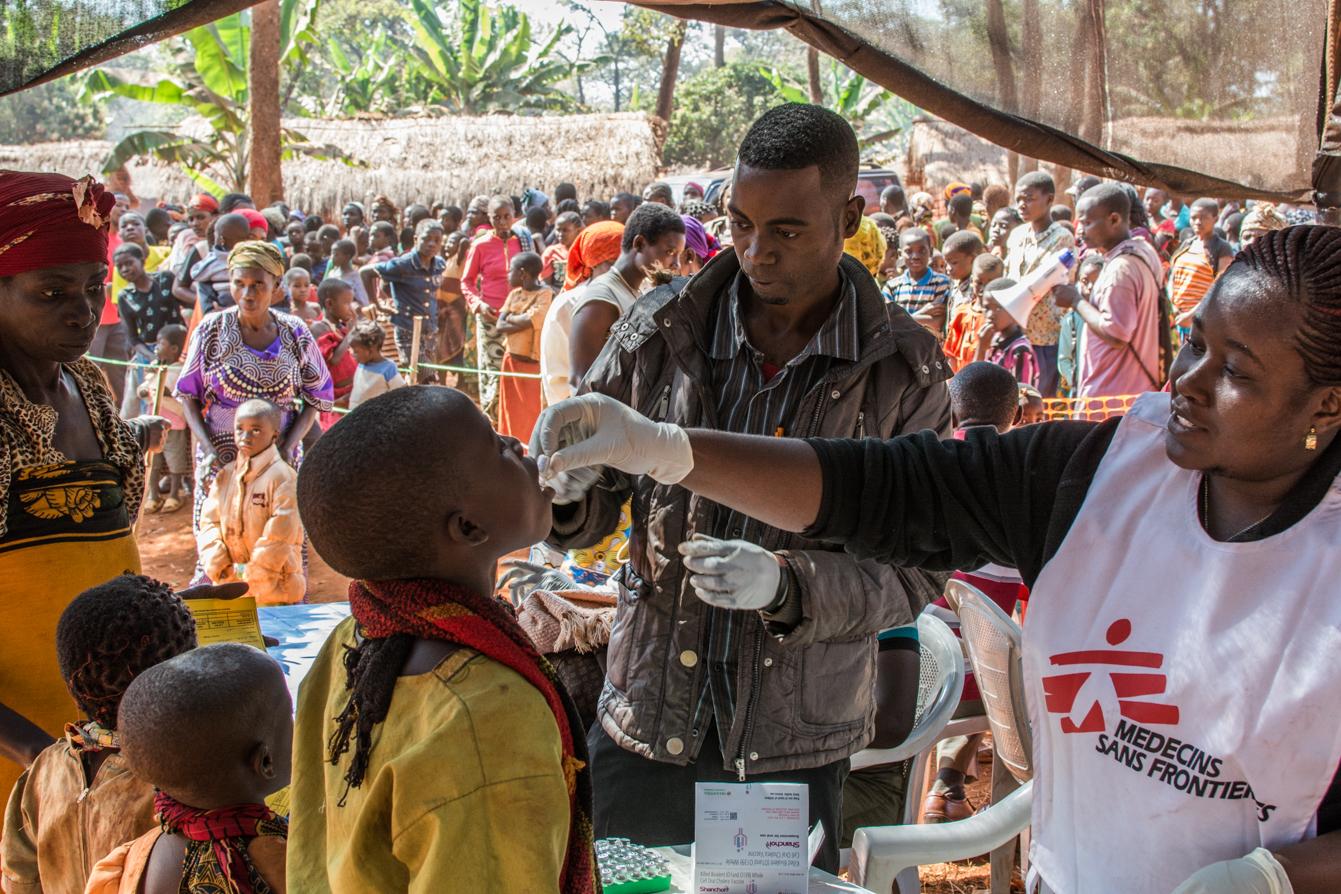
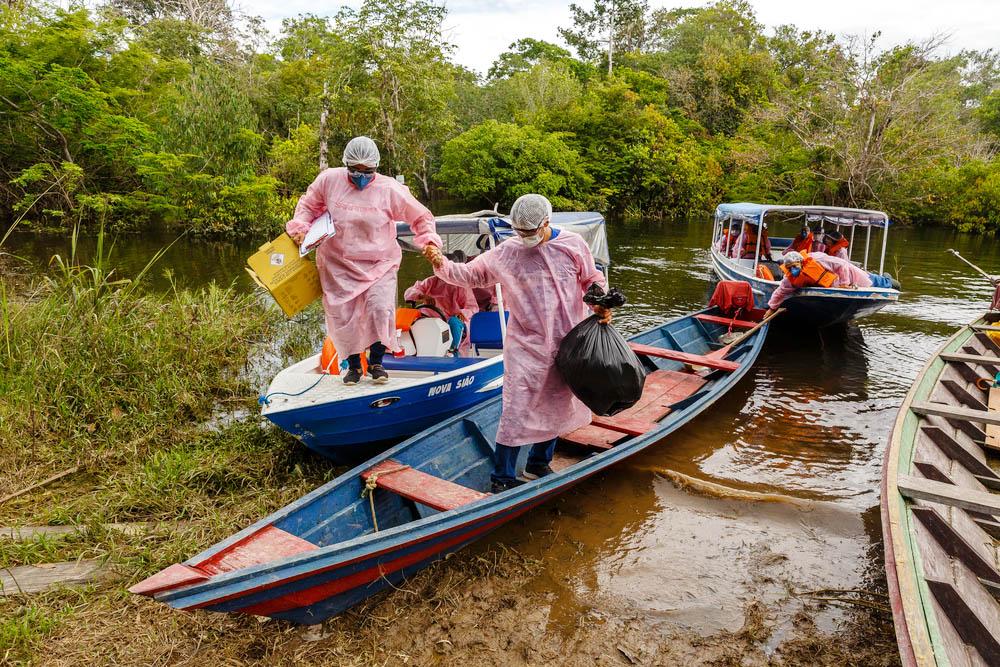
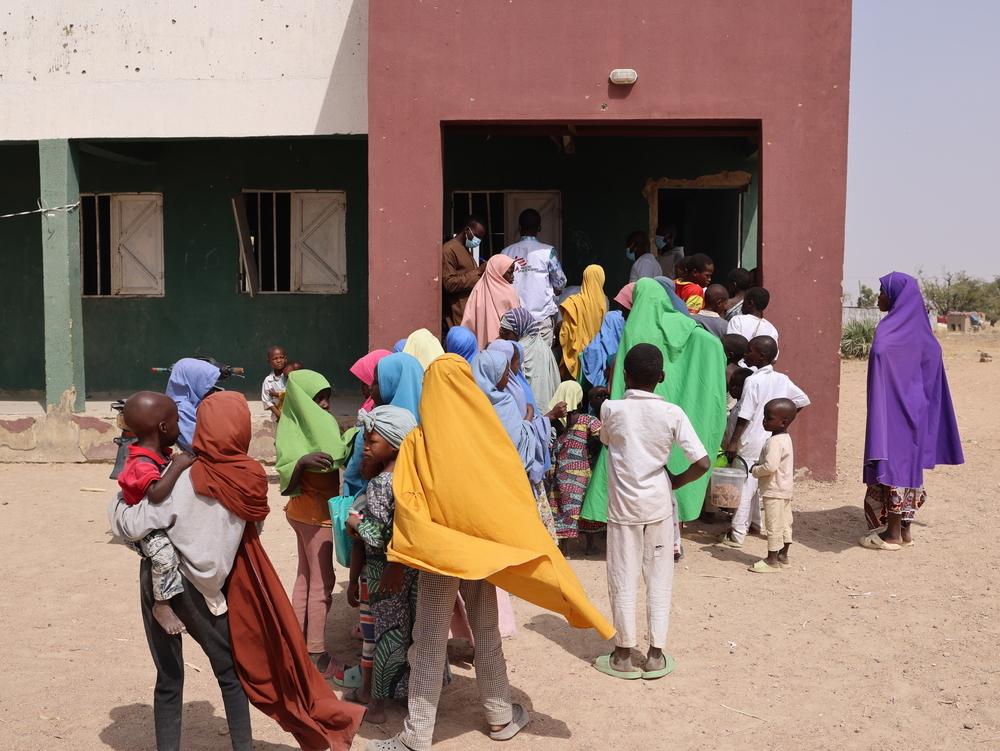
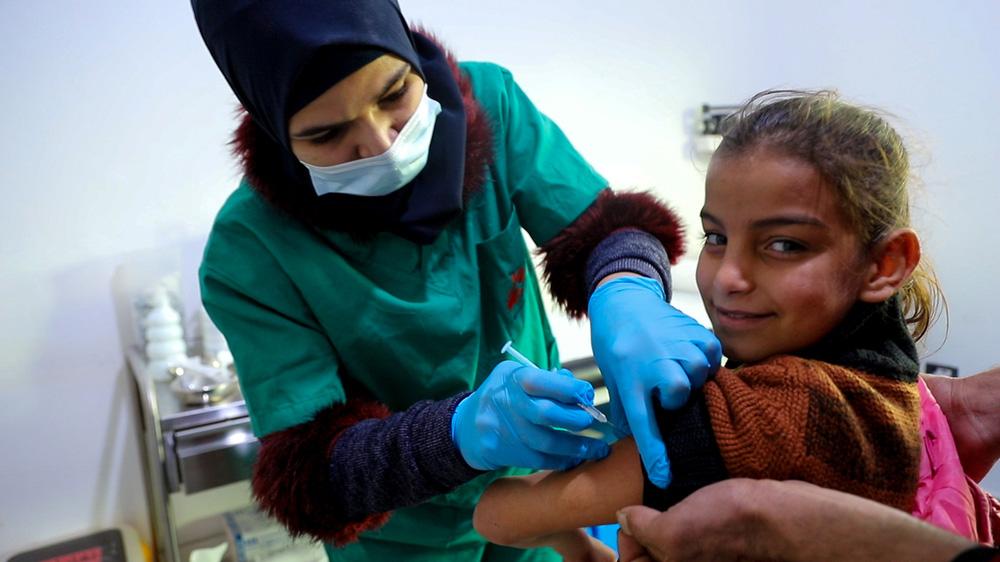
This World Immunisation Week and beyond, Doctors Without Borders MSF teams in Pakistan, France, South Sudan, Nigeria, and Sudan share access and innovation advancements that, if achieved in the years to come, could result in lifesaving vaccines reaching more people around the world.

A vaccine to protect adolescents and adults against tuberculosis
Tuberculosis continues to kill more than 1 million people each year. That’s why we want to see a safe, effective, and affordable vaccine against tuberculosis, which, when combined with sustained investment in preventive therapies, diagnostics, and effective treatment regimens, would be a significant step towards reducing global mortality due to tuberculosis. While there is a vaccine (BCG) that helps to protect young children from severe forms of tuberculosis, there is currently no approved vaccine that protects adults and adolescents, either before or after exposure to tuberculosis infection. However, with several vaccine candidates in clinical development showing some promising initial results, there may soon be a viable tuberculosis vaccine that everyone can benefit from.

Far from Bangui how AI is helping detect Tuberculosis in rural Central African Republic

Reaching TB Patients at the Last Mile with MSF’s Ultra-Portable X-Ray Machine
