
In 2014, Doctors Without Borders (MSF) began offering sexual and reproductive healthcare and HIV prevention and treatment services in Beira, Mozambique. After 11 years of collaboration with the Ministry of Health (MoH) and local organisations, MSF is now handing over its medical activities to its partners.
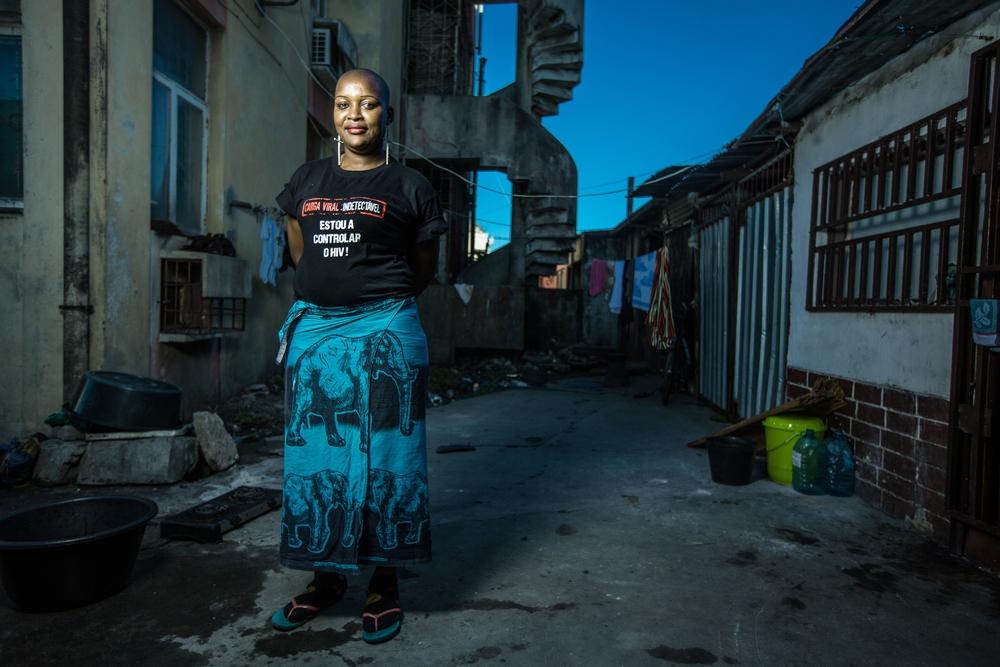
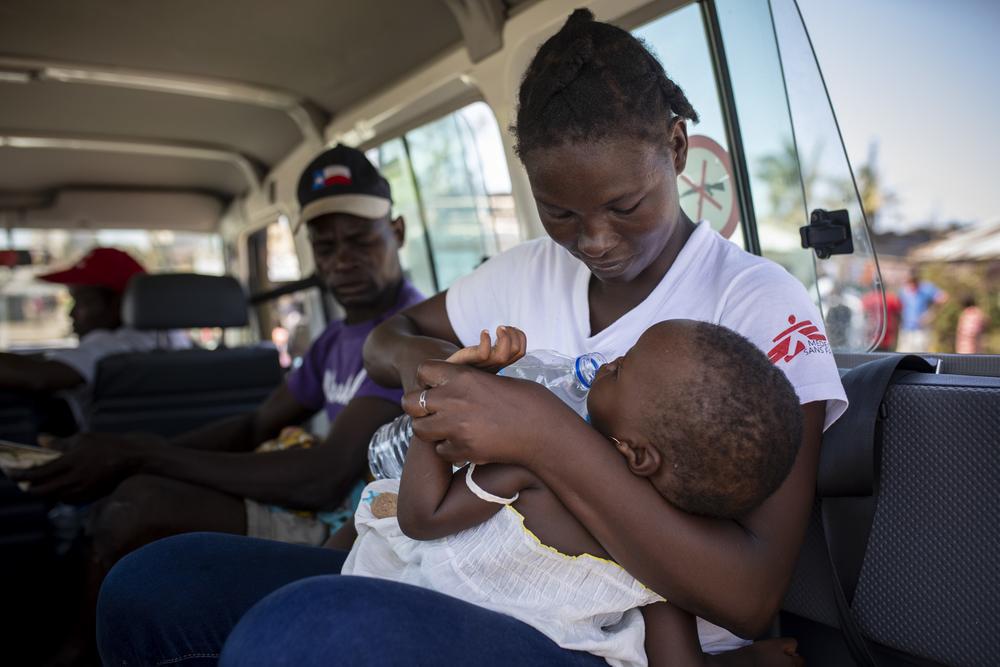
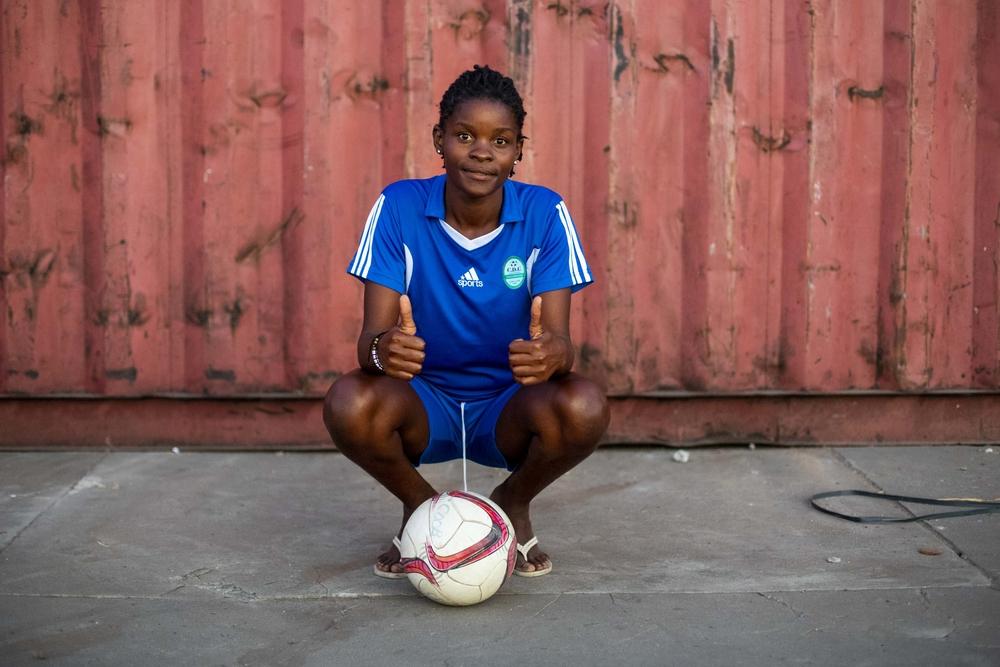
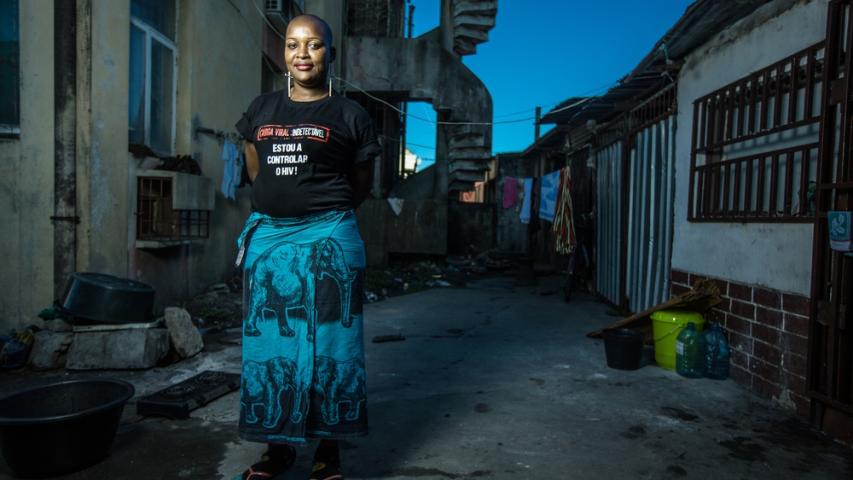
MSF work in Beira focused on providing tailored care for vulnerable and highly stigmatised groups who are at a greater risk of contracting HIV, including sex workers, adolescents, men who have sex with men, and transgender people.
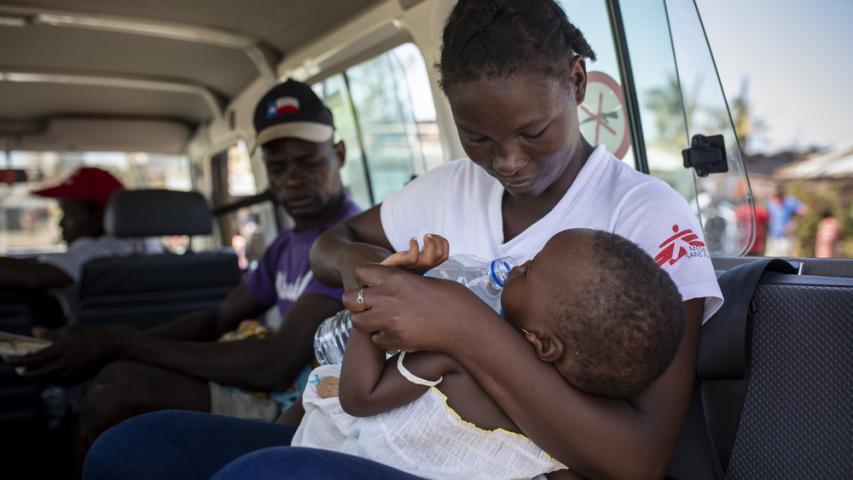
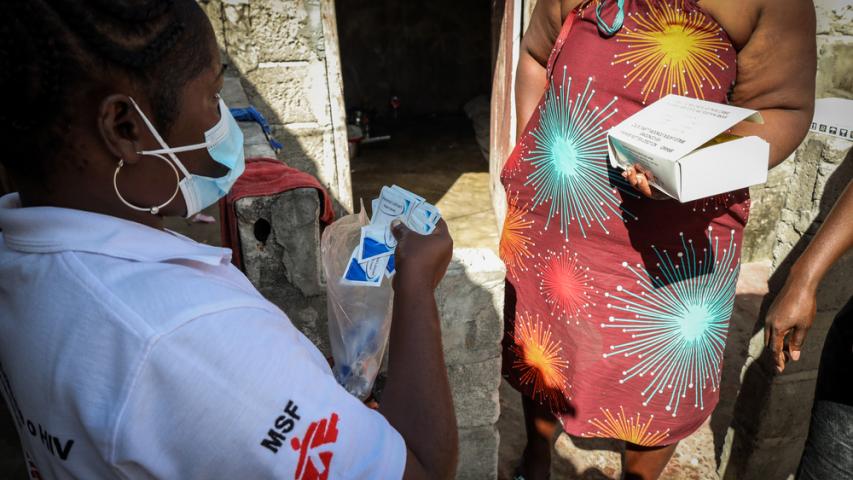
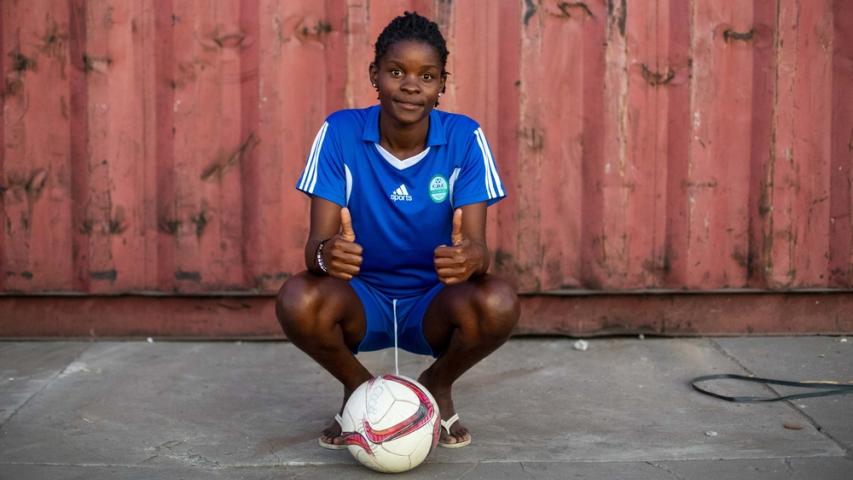

Dr Zaid Seni, MSF deputy project coordinator, tells us more about the project’s highlights
Give us a brief overview of your work with MSF in Beira
I first joined the organisation six years ago as a medical doctor during the emergency response to Cyclone Idai. I later became the medical activity manager, focusing on interventions for key populations such as sex workers, men who have sex with men, transgender people, and truck drivers, as well as work around advanced HIV care in primary health facilities. I now serve as the deputy project coordinator.
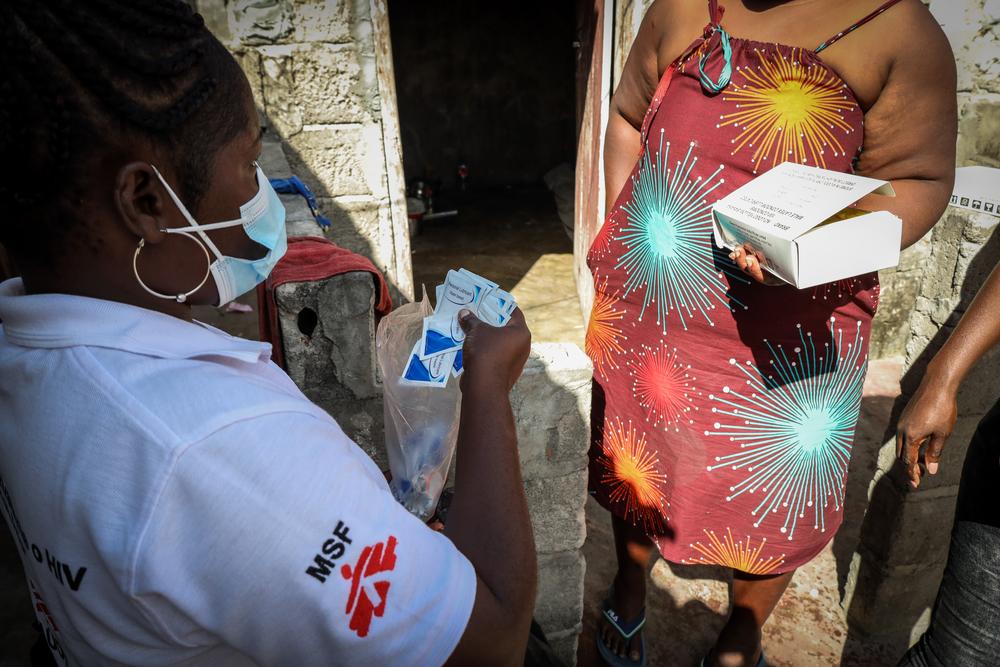
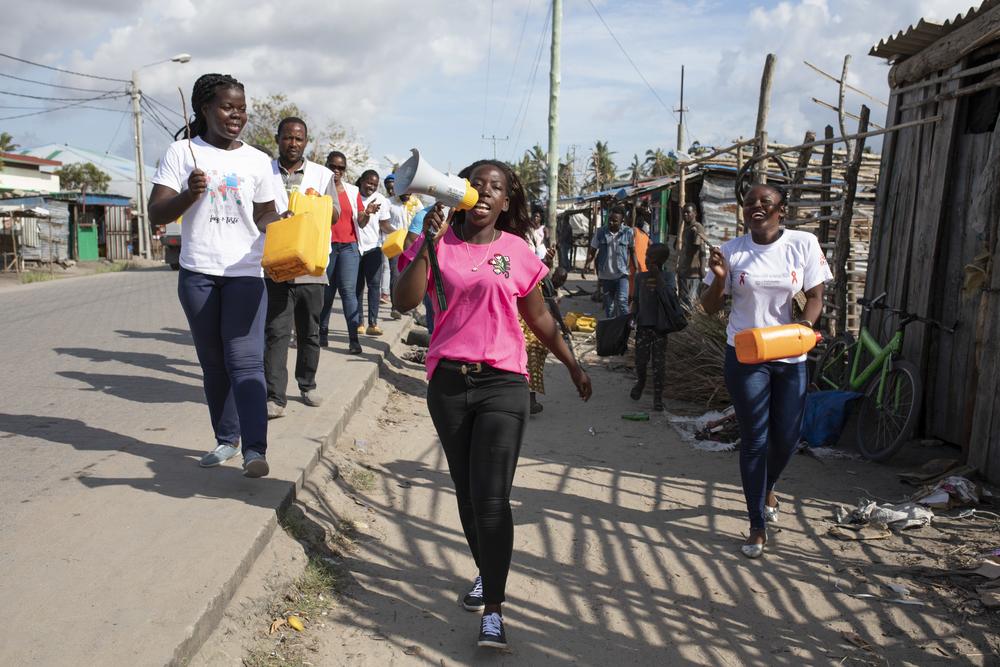
The Beira project began as part of a multi-country initiative called the corridor project, which addressed the spread of HIV along the major transport/economic corridor between Mozambique, Zimbabwe, Malawi and South Africa. One of the elements leading to HIV spread in the region was related to sex work. However, because key populations often face stigma, including in health facilities, they struggled to access proper care. MSF tried to address this gap through a community-led approach, including door-to-door outreach, mobile clinics and, later, by providing support to MoH facilities.

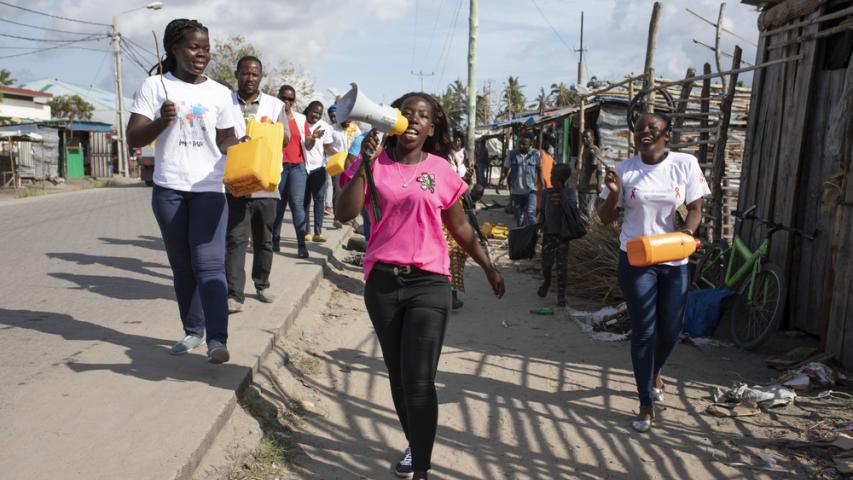
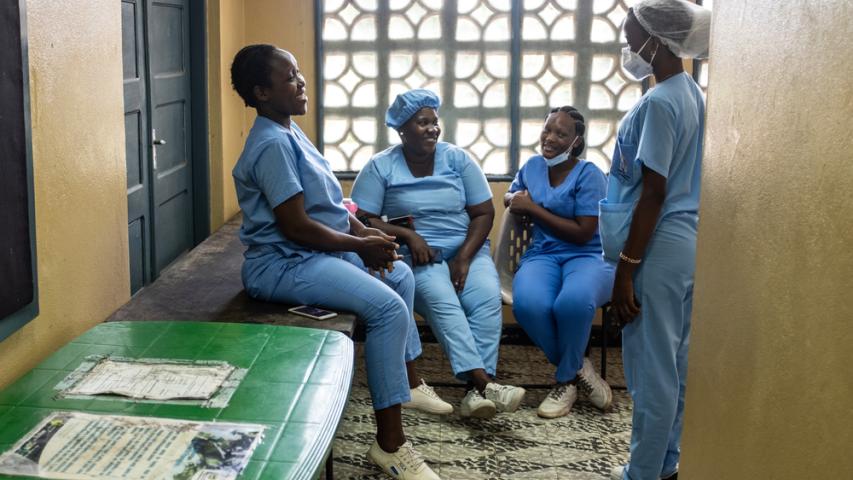
Peer educators in Beira
How did the project evolve?
Over time, we started to understand the community’s needs, as well as those of the MoH and decided to expand our services. We began supporting the Beira Central Hospital, which receives patients from the entire central region. Our goal was to reduce mortality among people living with advanced HIV. We later included primary healthcare facilities and introduced innovative strategies like mentorship to build long-term capacity for MoH staff and to ensure sustainability. In 2022 and 2023, we also added interventions addressing antimicrobial resistance and healthcare services for survivors of violence among young people.
What was unique about MSF’s approach?
We used a ground-up approach rather than a top-down one, looking to people to provide data when developing a public health-related strategy. We already had information on the prevalence or incidence of HIV and sexually transmitted illnesses, but we did not want to impose a framework of our services on the community. What we needed was to understand the context, the daily routines of our target group and to hear them expressing these issues in their own words. We then used the community feedback to create a model of intervention that was more suited and relevant to them.
We listened to the community, hired people from key populations and developed strategies together to tackle their specific needs. This collaborative model allowed us to respond to real needs and created an environment where healthcare workers like me learnt directly from the people we served. This was a true community-led intervention, with MSF providing the resources needed to realise the community’s priorities.
It’s important that MSF does not stay for too long as our goal is to fill urgent gaps, introduce effective models, and leave once local structures can continue the work.Dr Zaid Seni, MSF deputy project coordinator

Why was building strong community relationships important?
Creating relationships was critical, especially because we wanted to implement something very specific and offer specialised services. When we started our intervention, there was an existing structure; community-based organisations, the Ministry of Health, community leaders, international organisations and other partners already providing services in the community. We wanted to be known and to also know the community well. So, it was good for us to provide door-to-door services, inviting the community to help shape the intervention and to bolster our identity here. Little by little, we started gaining acceptance and our relationship with all these partners became stronger because they saw value in our project.
How did MSF support community-based organisations like Takaezana?
Supporting community organisations has been one of the most exciting parts of the project. Takaezana, a peer-led organisation created by former MSF peer workers, is now able to run its own interventions and secure its own funding.
We helped them build technical skills, manage programmes, and strengthen networks. They have become an important partner in delivering services to key populations and even participate in operational research, an area where Mozambique needs more capacity. Their growth is a strong example of sustainability in action that we are proud of.

How did MSF ensure the sustainability of the project?
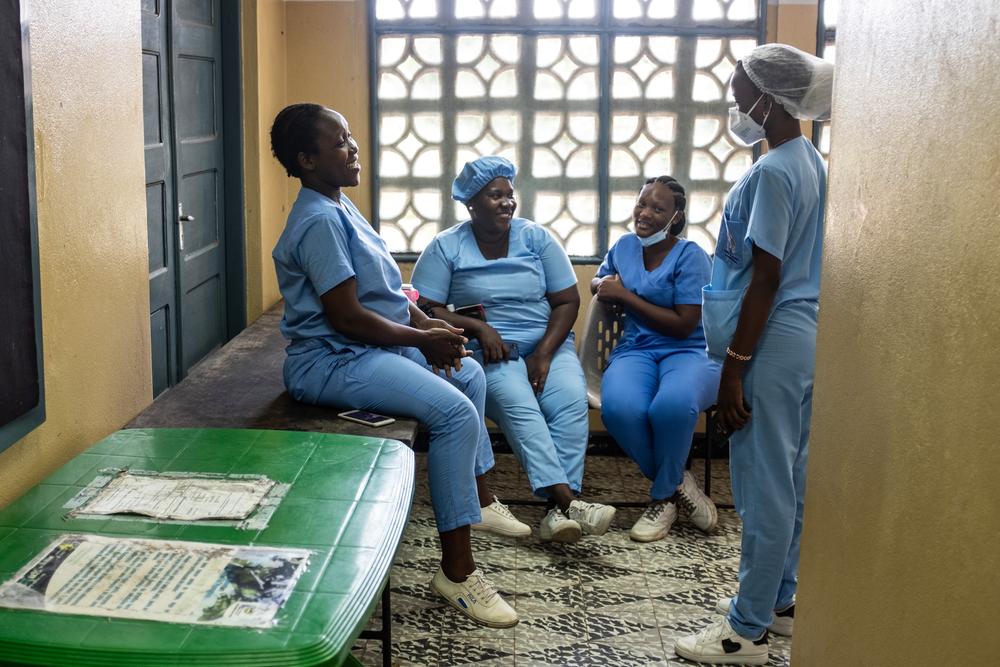
We identified three major challenges in achieving sustainability: 1) instability in the national health system, particularly in the supply chain, 2) structural stigma, including among healthcare workers and 3) low engagement with healthcare services among key populations. To address these, we strengthened the MoH supply systems and communication and provided on-the-job training, coaching and mentorship to healthcare workers to try and mitigate stigma and encourage a patient-centred approach in healthcare facilities. Other initiatives included the creation of focal points for key populations in health facilities so that people felt comfortable requesting services, and we introduced MoH teams to communities to reduce stigma. This multi-layered approach helped ensure that services would continue effectively after the handover.
What are some of your memorable moments?
A particularly powerful memory comes from my time working as a volunteer doctor at Beira Central Hospital before I joined MSF. At that time, patients with cryptococcal meningitis were often sent home with only painkillers because more effective treatment wasn’t available. I remember a 32-year-old woman who died because we could not treat her. At the time all I could prescribe to her was paracetamol and a few antibiotics.
Later, when I joined MSF and learnt that this disease is treatable with existing resources, it felt like a light at the end of a tunnel. Today, thanks to MSF’s work and advocacy, the MoH can treat such cases more effectively. Knowing that future doctors won’t have to send patients home to die is one of the project’s greatest achievements.
Why can’t MSF just continue working in Beira?
It’s important that MSF does not stay for too long as our goal is to fill urgent gaps, introduce effective models, and leave once local structures can continue the work. We started a wheel of intervention here and it is working, so the MoH can now take over. For long-term success, the Ministry must lead

2014
Project starts
Doctors Without Borders (MSF) starts a new « Corridor » project in Southern Africa, spanning Mozambique and Malawi. It provides HIV care to hard-to-reach populations that are most at risk of contracting HIV infections, such as sex workers.

2015
MSF starts Sexual Reproductive Health activities in Munhava including night mobile clinics
In response to gaps in access caused by stigma and limited clinic availability at night, MSF introduced night-time mobile SRH and HIV services in Munhava. Peer-led teams provided testing, condoms, lubricants and consultations in locations where sex workers and MSM were active. This approach helped build trust and visibility among key populations and ensured services reached people where and when they needed them most.

2016
MSF starts Oral Pre-Exposure Prophylaxis (PREP) study
MSF launched oral PrEP in Beira as an HIV-prevention option for HIV-negative individuals at high risk, particularly sex workers. In the same year, MSF significantly expanded its work with men who have sex with men (MSM) and trans women, addressing longstanding barriers to care caused by discrimination and stigma.
2016
MSF launches activities with men who have sex with men
Through peer-led outreach, community clinics, distribution of condoms and lubricants, and a mentorship programme for health staff on key-population-friendly care, MSF helped create safer pathways to health services. By partnering with MISAU, the police and community organisations, MSF supported over 3,000 MSM and 60 trans women, contributing to a more inclusive and welcoming health system in Beira.

2017
MSF carries out Gender Based Violence and Sexual Reproductive Health activities in the community
Building on its community presence, MSF broadened its scope to include gender-based violence (GBV) support, sexual and reproductive health promotion, and psychosocial support. Teams that included peers and community actors delivered education sessions and linked survivors to appropriate medical and psychological services, while continuing mobile and community SRH outreach.

2018
MSF initiates Differentiated Models of Care for Advanced HIV Disease (AHD) activities at Beira Central Hospital
MSF initiated Advanced HIV Disease (AHD) activities within Beira Central Hospital, a key referral point for the region. The project strengthened diagnostic pathways, clinical management of opportunistic infections, and follow-up of severely immunocompromised patients. This work responded directly to the high levels of mortality from advanced HIV identified by MSF clinicians and community partners.

2019
Start of Single Stop for Advanced HIV Disease in Ponta Gêa Health Center and Emergency response to Cyclone Idai
MSF opened the Single Stop point in Ponta Gêa to streamline care for people presenting with advanced HIV disease, enabling rapid testing, treatment initiation and follow-up in one place. After Cyclone Idai struck Beira in March, destroying or damaging all city health centres and triggering a major cholera outbreak, MSF led a large-scale emergency response. The team established three Cholera Treatment Centres (CTCs) and several smaller CTUs, relieving overwhelmed facilities where cholera cases had initially been treated in emergency rooms, preventing other patients from receiving care. MSF complemented clinical activities with health promotion and WASH interventions, including the use of street theatre groups who performed educational sketches across busy areas of the city to help families protect themselves and stop transmission.

2019
MSF responds to the devastation caused by Cyclone Idai
After Cyclone Idai struck Beira in March, destroying or damaging all city health centres and triggering a major cholera outbreak, MSF led a large-scale emergency response. The team established three Cholera Treatment Centres (CTCs) and several smaller CTUs, relieving overwhelmed facilities where cholera cases had initially been treated in emergency rooms, preventing other patients from receiving care. MSF complemented clinical activities with health promotion and WASH interventions, including the use of street theatre groups who performed educational sketches across busy areas of the city to help families protect themselves and stop transmission.

2020
COVID-19 intervention
During the COVID-19 pandemic, MSF adapted service delivery to maintain essential HIV, AHD and SRH care while supporting authorities with infection prevention and control, triage systems, and clinical management. Activities focused on protecting vulnerable patients, reorganising service flow, and ensuring continuity of care despite significant disruptions to the health system.

2021
Decentralisation of care through mentoring programme for health professionals and implementation of the microplan programme
MSF supported the decentralisation of HIV care by mentoring MISAU health professionals in peripheral facilities, strengthening capacity to manage HIV, STIs and key population services. At the same time, the microplan programme was introduced to improve targeted outreach, follow-up of patients, and retention in care. This year also included assessments and initial interventions on Advanced HIV Disease (AHD), Antimicrobial Resistance (AMR) and Infection Prevention and Control (IPC) within health facilities.

2022
Advanced HIV Disease (AHD), AMR and IPC assessments
MSF deepened its work on Advanced HIV Disease management, expanded assessments of AMR patterns, and strengthened IPC practices in supported facilities. These efforts provided evidence for improving clinical quality and informed national-level discussions on HIV and infectious disease management. The project continued building strong relationships with MOH structures and community actors.

2023
Start of capitalisation of MoH activities in Beira
MSF began a structured capitalisation process, documenting tools, methodologies and lessons learned from years of work with key populations, AHD, and community-led interventions. The focus shifted toward supporting MoH teams to adopt and adapt approaches that proved effective, ensuring long-term sustainability and smoother integration into national health policies and practices.

2024
Closure of community clinics
As public health facilities became better equipped and more sensitised to key-population needs, MSF gradually closed its community clinics, transferring responsibilities to MoH structures. MSF simultaneously invested in strengthening local community-based organisations, such as peer-led groups, supporting them to scale their activities, secure funding and take a leading role in ongoing community support, outreach and advocacy

2025
Closure of the MSF project and handover of the continuity of work to MISAU and other partners
MSF finalised the closure and handover of the Beira project. Activities, responsibilities and technical knowledge were transferred to MISAU and partner organisations, consolidating a multi-layered approach developed over more than a decade. The transition aimed to ensure continuity of care for key populations and people with advanced HIV, supported increasingly by empowered community actors and strengthened public health structures.

MSF concludes emergency response in northern Mozambique, but critical gaps in healthcare access remain

MSF demands sustained investments and political will to end the neglect of children with tuberculosis
